

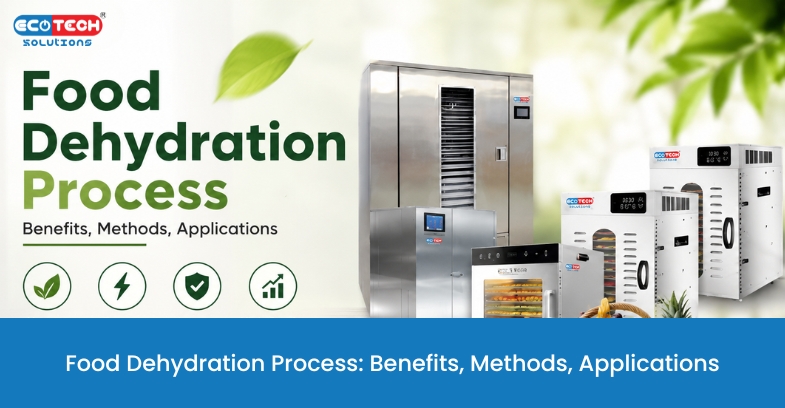
Food preservation has been an essential practice for centuries, and one of the most effective techniques is the Food Dehydration Process. By removing moisture from food, dehydration significantly extends shelf life while preserving essential nutrients, flavor, and texture. Today, industries across food processing, agriculture, pharmaceuticals, and herbal production rely on advanced drying technologies to produce high-quality products efficiently.
Modern dehydration systems have evolved far beyond traditional sun drying. Businesses now use energy-efficient equipment such as the food dehydrator machine and advanced heat pump technology to ensure consistent drying, better product quality, and lower operating costs.
Whether you’re a food manufacturer, agricultural processor, or entrepreneur entering the food processing industry, understanding the Food Dehydration Process can help you choose the right drying solution and maximize production efficiency.
What Is the Food Dehydration Process?
The Food Dehydration Process is a preservation method that removes moisture from food products using controlled heat and airflow. Since microorganisms such as bacteria, mold, and yeast require water to grow, reducing moisture content greatly increases the shelf life of fruits, vegetables, herbs, spices, meat, seafood, and many other products.
Unlike traditional drying methods that expose food to inconsistent environmental conditions, modern dehydration systems maintain precise temperature and humidity levels. This ensures better color retention, improved texture, and higher nutritional value.
The dehydration process is widely used in:
- Fruit processing
- Vegetable processing
- Herb drying
- Spice production
- Meat processing
- Seafood drying
- Pet food manufacturing
- Pharmaceutical applications
- Nutraceutical industries
How the Food Dehydration Process Works
The Food Dehydration Process follows several carefully controlled stages to achieve optimal drying results.
1. Food Preparation
Fresh produce is cleaned, sorted, peeled, sliced, or chopped according to product requirements. Uniform sizing ensures even drying throughout the batch.
2. Loading
Prepared products are placed evenly on trays inside a food dehydrator machine to maximize airflow around every piece.
3. Controlled Heating
Warm air circulates throughout the chamber, gradually removing moisture without overheating the product.
4. Moisture Removal
Continuous airflow carries away evaporated moisture while maintaining ideal drying conditions.
5. Cooling
Once the desired moisture level is reached, products are cooled before packaging to prevent condensation.
6. Packaging
Proper packaging protects dehydrated foods from humidity and contamination, preserving freshness for extended periods.
Benefits of the Food Dehydration Process
The Food Dehydration Process offers numerous advantages for both small businesses and large-scale food manufacturers.
Extended Shelf Life
Removing moisture prevents microbial growth, allowing food to remain safe for months or even years under proper storage conditions.
Better Nutrient Retention
Modern dehydration techniques preserve vitamins, minerals, antioxidants, and natural flavors more effectively than many traditional preservation methods.
Reduced Food Waste
Dehydration helps preserve surplus harvests and seasonal produce, minimizing spoilage and improving profitability.
Lower Transportation Costs
Since water accounts for a large portion of food weight, dehydrated products are lighter and easier to transport.
Improved Storage Efficiency
Dehydrated foods require less storage space and no refrigeration, reducing overall storage expenses.
Year-Round Availability
Seasonal fruits and vegetables can be processed during harvest and supplied throughout the year.
Common Food Dehydration Methods
Several dehydration techniques are available depending on production scale, product type, and quality requirements.
Sun Drying
This traditional method uses natural sunlight. Although inexpensive, it depends heavily on weather conditions and may expose food to contamination.
Hot Air Drying
Hot air drying is one of the most common industrial methods. Heated air circulates around food until moisture evaporates.
Freeze Drying
Freeze drying preserves product quality exceptionally well but involves high equipment and operational costs.
Vacuum Drying
Vacuum drying removes moisture at lower temperatures, making it suitable for heat-sensitive products.
Heat Pump Drying
Heat pump technology has become one of the most energy-efficient dehydration methods available today. A heat pump food dehydrator maintains precise temperature and humidity levels while consuming significantly less energy than conventional drying systems.
Why Businesses Choose Heat Pump Food Dehydrators
The growing demand for energy-efficient food processing has increased the popularity of the heat pump food dehydrator.
Key advantages include:
- Excellent product quality
- Lower electricity consumption
- Uniform drying
- Better color retention
- Improved flavor preservation
- Reduced operational costs
- Environmentally friendly operation
- Automated temperature control
Compared to traditional hot-air dryers, a heat pump food dehydrator delivers consistent drying results with minimal product shrinkage.
Applications of the Food Dehydration Process
The Food Dehydration Process serves a wide variety of industries.
Fruit Processing
Popular dehydrated fruits include:
- Mango
- Banana
- Apple
- Pineapple
- Papaya
- Strawberry
- Grapes
- Kiwi
Many manufacturers use a food dehydrator machine to produce premium dried fruit snacks while maintaining natural sweetness and nutritional value.
Vegetable Processing
Common dehydrated vegetables include:
- Onion
- Garlic
- Tomato
- Carrot
- Potato
- Spinach
- Mushroom
- Green peas
Businesses looking for reliable vegetable drying solutions can explore the Dehydrator Machine for Fruits and Vegetables.
Herbs and Spices
Herbs such as basil, mint, oregano, rosemary, coriander, and medicinal plants require gentle drying to preserve essential oils.
Meat and Seafood
Jerky, dried fish, shrimp, and seafood products rely on controlled dehydration to ensure food safety and long shelf life.
Pet Food Manufacturing
Many premium pet food manufacturers use dehydration technology to preserve nutritional value while improving storage stability.
Choosing the Right Food Dehydrator Machine
Selecting the appropriate food dehydrator machine depends on several important factors.
Capacity
Choose equipment that matches your production volume and future expansion plans.
Temperature Control
Accurate temperature settings improve drying consistency and preserve product quality.
Airflow Design
Uniform airflow ensures every tray dries evenly.
Energy Efficiency
Energy-efficient equipment lowers operating costs and increases profitability.
Automation
Modern systems include programmable controls that simplify operation and improve consistency.
Material Quality
Food-grade stainless steel construction ensures hygiene, durability, and easy maintenance.
Industrial Food Dehydrator for Large-Scale Production
For commercial food processing operations, an industrial food dehydrator offers significant advantages over conventional drying methods.
An industrial food dehydrator can process large batches while maintaining uniform drying conditions across all trays. This improves production efficiency and reduces labor costs.
Industries that commonly use an industrial food dehydrator include:
- Fruit processing plants
- Vegetable processing companies
- Spice manufacturers
- Herbal processing facilities
- Seafood processors
- Pharmaceutical manufacturers
- Nutraceutical companies
The ability to maintain precise temperature and humidity control makes an industrial food dehydrator ideal for businesses requiring consistent product quality.
Why Heat Pump Technology Is the Future
Energy consumption is one of the biggest operational expenses in food processing. Modern heat pump food dehydrator systems recover heat during operation, significantly reducing electricity usage compared to conventional dryers.
Businesses adopting a heat pump food dehydrator benefit from:
- Lower energy bills
- Reduced carbon emissions
- Improved product consistency
- Better moisture control
- Higher production efficiency
- Longer equipment lifespan
As sustainability becomes increasingly important, heat pump drying technology continues to gain popularity worldwide.
ETSolutions: Trusted Heat Pump Manufacturer
When investing in dehydration equipment, choosing an experienced Heat Pump Manufacturer is essential. ETSolutions designs innovative, energy-efficient drying systems that meet the needs
For businesses seeking a complete drying solution, the All-in-One Heat Pump Dehydrator offers advanced automation, excellent drying performance, and energy savings:
Best Practices for Effective Food Dehydration
To achieve optimal results, follow these recommendations:
- Use fresh, high-quality raw materials.
- Slice products uniformly for even drying.
- Avoid overloading drying trays.
- Maintain recommended drying temperatures.
- Monitor moisture content regularly.
- Cool products completely before packaging.
- Store dehydrated foods in airtight containers.
- Keep products in cool, dry conditions.
These practices help maximize product quality, shelf life, and customer satisfaction.
Conclusion
The Food Dehydration Process plays a vital role in modern food preservation by extending shelf life, reducing waste, and maintaining nutritional quality. Whether processing fruits, vegetables, herbs, seafood, or specialty products, advanced drying technology provides consistent and reliable results.
Investing in a high-quality food dehydrator machine or industrial food dehydrator enables businesses to improve productivity while lowering operational costs. For organizations focused on energy efficiency and sustainability, a heat pump food dehydrator offers an ideal solution with precise temperature control and superior drying performance.
If you’re looking for innovative dehydration systems, ETSolutions provides reliable solutions backed by industry expertise. Explore the Heat Pump Manufacturer website, discover the All in One Heat Pump Dehydrator, and learn more about the Dehydrator Machine for Fruits and Vegetables to find the right equipment for your food processing needs.
Contact Us: EcoTech Solutions