

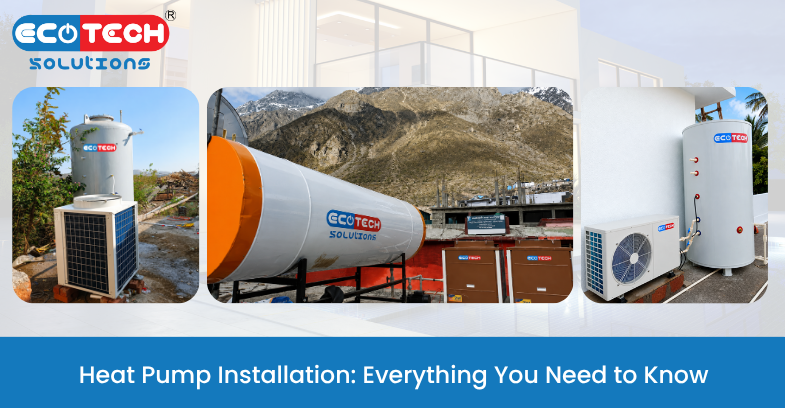
Hot water is essential for homes, hotels, hospitals, industries, hostels, and commercial buildings. As energy prices continue to rise, more people are choosing energy-efficient solutions that reduce electricity consumption without compromising performance. One of the most effective options available today is a heat pump water heater.
Whether you are planning a new project or replacing an existing water heating system, understanding heat pump installation is crucial. Proper installation ensures maximum efficiency, lower operating costs, and a longer system lifespan. In this guide, we’ll explain the installation process, key considerations, estimated costs, and why choosing the right installation partner makes all the difference.
What Is a Heat Pump?
A heat pump is an advanced water heating system that transfers heat from the surrounding air to water instead of generating heat directly. Because it moves heat rather than creating it, it consumes significantly less electricity than conventional electric water heaters.
If you’re looking for a reliable heat pump manufacturer, ET Solutions offers high-quality, energy-efficient heat pump systems designed for residential, commercial, and industrial applications.
Why Proper Heat Pump Installation Matters
Installing a heat pump correctly is just as important as selecting the right model. Improper installation can reduce efficiency, increase electricity bills, shorten equipment life, and lead to frequent maintenance issues.
A professionally installed heat pump offers several advantages:
- Lower energy consumption
- Faster water heating
- Longer equipment lifespan
- Reduced maintenance costs
- Consistent hot water supply
- Environmentally friendly operation
- Better return on investment
Investing in professional installation helps ensure your system performs efficiently for years.
Types of Heat Pumps
Before beginning the installation process, it’s important to select the right heat pump for your application.
Domestic Heat Pumps
Residential heat pumps are ideal for villas, apartments, farmhouses, and individual homes. They provide reliable hot water while minimizing electricity costs.
Learn more about Domestic Heat Pump solutions from ET Solutions.
Commercial Heat Pumps
Hotels, hospitals, hostels, resorts, educational institutions, gyms, and industrial facilities often require large volumes of hot water every day. Commercial systems are specifically designed to meet these high-demand applications efficiently.
Explore Commercial Heat Pumps here.
Step-by-Step Heat Pump Installation Process
Understanding the complete installation process helps property owners make informed decisions and prepare their site properly.
1. Site Inspection
The first step involves inspecting the installation location.
During this stage, technicians evaluate:
- Available installation space
- Ventilation requirements
- Water supply connections
- Drainage arrangements
- Electrical availability
- Existing plumbing
Proper site assessment ensures the heat pump operates at maximum efficiency.
2. Selecting the Right Capacity
Heat pumps come in different capacities depending on daily hot water demand.
Factors considered include:
- Number of users
- Water consumption
- Building size
- Commercial or residential usage
- Peak demand hours
Choosing the correct capacity prevents unnecessary electricity consumption while ensuring sufficient hot water.
3. Preparing the Installation Area
The selected location should have:
- Adequate airflow
- Strong foundation
- Easy maintenance access
- Proper drainage
- Safe electrical connection
Outdoor units should be installed where airflow remains unrestricted throughout the year.
4. Installing of a Heat Pump Unit
The actual installation of a heat pump includes placing the indoor and outdoor components securely according to manufacturer recommendations.
Technicians ensure:
- Stable mounting
- Correct positioning
- Proper clearances
- Vibration reduction
- Weather protection
Professional installation minimizes future operational issues.
5. Plumbing Connections
Water inlet and outlet pipes are connected carefully.
During this stage, installers:
- Connect hot and cold water lines
- Install valves
- Check pipe insulation
- Prevent leakage
- Verify water pressure
Well-designed plumbing improves overall system efficiency.
6. Electrical Connections
Every heat pump requires a dedicated electrical supply.
Qualified electricians ensure:
- Correct voltage
- Circuit protection
- Earthing
- Safe wiring
- Control panel configuration
Electrical safety should always comply with local regulations.
7. Testing and Commissioning
Before handing over the system, technicians conduct several tests.
These include:
- Water circulation test
- Temperature verification
- Compressor performance
- Leak inspection
- Electrical safety checks
- Controller programming
Only after successful testing is the system ready for regular use.
How to Install a Heat Pump Safely
Many property owners wonder how to install a heat pump themselves. While some preparation work can be done independently, the actual installation should always be performed by trained professionals.
Heat pump systems involve electrical wiring, refrigerant circuits, plumbing, and system calibration. Incorrect installation may reduce efficiency, increase repair costs, and even void the manufacturer’s warranty.
Hiring experienced technicians ensures safe operation and long-term reliability.
Heat Pump Installation Cost
One of the most common questions buyers ask concerns heat pump installation cost.
Several factors influence the total investment:
- Heat pump capacity
- Residential or commercial application
- Installation complexity
- Plumbing modifications
- Electrical upgrades
- Storage tank requirements
- Location
- Additional accessories
Although the initial investment may be higher than a conventional water heater, lower electricity bills often result in substantial savings over the life of the system.
Heat Pump Installation in India
The demand for heat pump installation in India has increased rapidly as homeowners and businesses seek sustainable, energy-efficient solutions.
Heat pumps are now widely used in:
- Hotels
- Hospitals
- Restaurants
- Apartments
- Educational institutions
- Swimming pools
- Food processing units
- Dairy industries
- Manufacturing plants
India’s diverse climate makes heat pump technology an excellent choice for year-round hot water production while reducing energy consumption.
Common Installation Mistakes to Avoid
Avoiding these mistakes can improve efficiency and extend system life.
Incorrect System Size
Oversized or undersized systems reduce efficiency and increase operating costs.
Poor Airflow
Blocking airflow around the outdoor unit decreases heating performance.
Improper Pipe Insulation
Heat loss through uninsulated pipes increases energy consumption.
Weak Electrical Connections
Incorrect wiring may cause equipment failure or safety hazards.
Skipping Professional Installation
Improper installation of heat pump systems often leads to reduced performance, frequent breakdowns, and higher maintenance expenses.
Maintenance Tips After Installation
Routine maintenance keeps your heat pump operating efficiently.
Recommended maintenance includes:
- Cleaning air filters
- Inspecting electrical connections
- Checking refrigerant performance
- Cleaning heat exchangers
- Examining water pressure
- Inspecting pipe insulation
- Scheduling annual servicing
Regular maintenance extends equipment life and helps maintain optimal performance.
Why Choose ET Solutions?
Choosing the right supplier is just as important as selecting the right equipment.
ET Solutions is a trusted heat pump manufacturer offering energy-efficient hot water systems for residential, commercial, and industrial applications.
With a focus on quality, innovation, and customer satisfaction, ET Solutions provides:
- High-performance heat pumps
- Professional installation support
- Customized hot water solutions
- Reliable after-sales service
- Energy-efficient technology
- Experienced technical team
Whether you need a Domestic Heat Pump for your home or Commercial Heat Pumps for a large-scale project, ET Solutions has solutions designed to meet your specific requirements.
Frequently Asked Questions
How long does heat pump installation take?
Most residential installations are completed within one day, while larger commercial projects may require several days depending on the system size.
Is a heat pump suitable for Indian weather?
Yes. Modern heat pumps are designed to perform efficiently in a wide range of climatic conditions, making them suitable for most regions across India.
Can a heat pump replace an electric geyser?
Yes. Heat pumps provide the same hot water functionality while consuming significantly less electricity than traditional electric geysers.
Do heat pumps require regular maintenance?
Routine inspections and annual servicing are recommended to ensure optimal efficiency and extend the lifespan of the system.
Conclusion
Heat pumps have become one of the most energy-efficient solutions for producing hot water in residential and commercial properties. A professionally executed heat pump installation ensures maximum efficiency, lower electricity bills, reliable performance, and long-term savings.
Whether you’re upgrading an existing water heating system or planning a new installation, choosing the right equipment and an experienced installation partner is essential. ET Solutions offers advanced heat pump systems designed to deliver reliable, eco-friendly, and cost-effective hot water solutions for homes, businesses, and industries across India.
If you’re ready to invest in a high-performance heat pump system, explore ET Solutions’ range of products and discover how energy-efficient water heating can reduce operating costs while supporting a more sustainable future.