
Hot water is something we rely on every single day—whether it’s for a refreshing morning shower, cleaning dishes, or maintaining hygiene at home. Yet, most homeowners rarely think about how that hot water is produced until problems arise. Rising electricity bills, inconsistent heating, and frequent maintenance issues are common concerns with traditional systems.
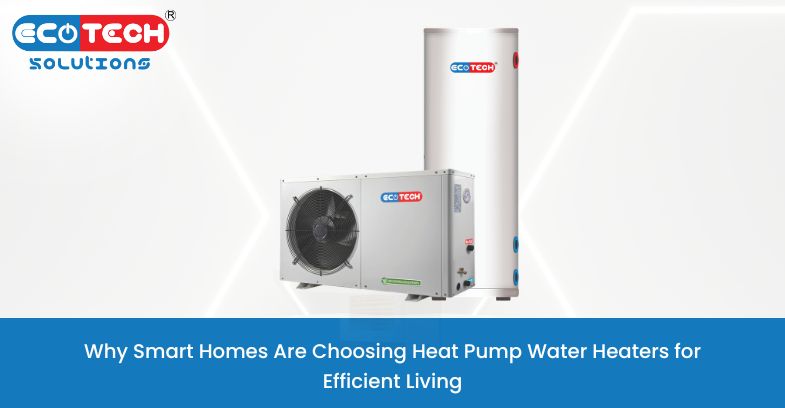
This is where a Heat Pump emerges as a smarter, more efficient solution. Unlike conventional heaters, a Heat Pump For Home uses advanced technology to deliver consistent hot water while significantly reducing energy consumption. A modern Heat Pump Water Heater is not just a product—it’s a long-term upgrade toward comfort, sustainability, and cost savings.
In this guide, we’ll explore real homeowner challenges, break down how the system works step-by-step, and compare it with traditional heating methods so you can make an informed decision.
Real Homeowner Problems
Behind every purchase decision is a real-life problem. Let’s look at the everyday struggles many homeowners face with traditional water heating systems.
The Shock of High Electricity Bills
Many families notice a sharp increase in their electricity bills, especially during winter or in homes with frequent hot water usage. Electric geysers consume a large amount of power because they generate heat directly. Over time, this becomes a recurring financial burden that’s hard to ignore.
Running Out of Hot Water at the Worst Time
One of the most frustrating experiences is stepping into the shower only to find the hot water runs out halfway through. Traditional storage heaters have limited capacity, and once the tank is empty, you’re left waiting.
Frequent Repairs and Maintenance
Scaling due to hard water, heating element failure, and corrosion are common issues. Homeowners often find themselves spending money on repairs or replacing parts every few years.
Safety Concerns at Home
Electrical appliances that deal with heat and water always carry some level of risk. Overheating, pressure build-up, or electrical faults can create safety hazards, especially in households with children or elderly members.
Environmental Responsibility
Today’s homeowners are more environmentally conscious. Many want to reduce their carbon footprint but are unsure how to start. Traditional water heating systems consume more electricity, indirectly contributing to higher emissions.
Lack of Long-Term Value
While conventional heaters may seem affordable initially, their long-term operational and maintenance costs often outweigh the initial savings.
How a Heat Pump Water Heater Works (Step-by-Step Process)
A Heat Pump Water Heater works on a completely different principle compared to traditional heaters. Instead of producing heat directly, it moves heat from the surrounding air to the water, making it far more energy-efficient.
Let’s break it down into simple steps:
Step 1: Air Intake and Heat Absorption
The system draws in ambient air using a fan. Even when the air feels cool, it contains thermal energy. The heat pump captures this energy using a special refrigerant.
Step 2: Refrigerant Evaporation
The refrigerant absorbs heat from the air and evaporates into a gas. This process allows it to carry thermal energy efficiently.
Step 3: Compression for Higher Temperature
The gaseous refrigerant is compressed, which significantly increases its temperature. This step amplifies the heat collected from the air.
Step 4: Heat Transfer to Water
The high-temperature refrigerant passes through a heat exchanger, transferring heat to the water stored in the tank. This is how water gets heated without direct electrical heating.
Step 5: Cooling and Recycling
After transferring heat, the refrigerant cools down and returns to its original state. It is then reused in the cycle, making the system highly efficient.
Step 6: Smart Temperature Regulation
Modern systems include intelligent controls that maintain consistent water temperature, ensuring comfort and safety at all times.
Why Heat Pumps Are Ideal for Modern Homes
A Heat Pump For Home is designed to meet the needs of today’s energy-conscious households.
Exceptional Energy Efficiency
Heat pumps can reduce energy consumption by up to 70–80% compared to traditional water heaters because they transfer heat rather than generate it.
Consistent and Reliable Performance
Unlike conventional systems, heat pumps provide a steady and reliable supply of hot water, even during high usage.
Environmentally Friendly Technology
By consuming less electricity, a Heat Pump Water Heater helps reduce greenhouse gas emissions, making it an eco-friendly choice.
Lower Monthly Expenses
Although the initial investment may be higher, the reduction in electricity bills leads to significant savings over time.
Longer Lifespan
With fewer components exposed to extreme heat, heat pumps generally last longer than traditional water heaters.
Enhanced Safety Features
Modern systems are equipped with advanced safety mechanisms, reducing risks associated with overheating or electrical faults.
Comparison Block: Heat Pump vs Traditional Water Heaters
Making the right choice becomes easier when you understand how these systems compare.
Energy Consumption
- Heat Pump: Uses ambient heat, highly efficient
- Traditional Heater: Direct heating, energy-intensive
Operating Cost
- Heat Pump: Lower monthly expenses
- Traditional Heater: Higher electricity bills
Hot Water Availability
- Heat Pump: Consistent supply
- Traditional Heater: Limited by tank capacity
Environmental Impact
- Heat Pump: Eco-friendly
- Traditional Heater: Higher emissions
Maintenance
- Heat Pump: Low maintenance
- Traditional Heater: Frequent servicing required
Safety
- Heat Pump: Advanced protection systems
- Traditional Heater: Higher risk factors
Practical Applications in Daily Life
A Heat Pump Water Heater can be used across multiple household applications:
- Daily bathing and showering
- Kitchen cleaning and dishwashing
- Laundry operations
- Heating water for cleaning purposes
- Swimming pool heating (in some setups)
Its versatility makes it an all-in-one solution for residential hot water needs.
Is a Heat Pump Suitable for Your Home?
A Heat Pump For Home works best when certain conditions are met:
- Adequate installation space
- Proper ventilation for airflow
- Moderate to warm climate conditions
- Consistent hot water demand
Even in cooler climates, advanced systems are designed to operate efficiently, though performance may vary slightly.
Long-Term Investment Benefits
Switching to a Heat Pump is not just about immediate comfort—it’s about long-term value.
Energy Savings Over Time
Reduced electricity usage translates into substantial savings over the years.
Reduced Maintenance Costs
Fewer breakdowns mean lower maintenance expenses.
Increased Property Value
Energy-efficient homes are more attractive to buyers and tenants.
Sustainable Living
Using eco-friendly technology contributes to a greener future.
Tips for Choosing the Right Heat Pump Water Heater
To get the best results, consider the following:
Capacity and Usage
Choose a system that matches your household size and daily water usage.
Energy Efficiency Ratings
Higher ratings ensure better performance and savings.
Installation Requirements
Ensure proper space and ventilation for optimal efficiency.
Brand Reliability
Select a trusted provider known for quality and support.
After-Sales Service
Reliable service ensures smooth operation in the long run.
The Future of Home Water Heating
As technology advances, homeowners are moving toward smarter and more efficient solutions. A Heat Pump Water Heater represents this shift—combining comfort, cost savings, and environmental responsibility.
With increasing awareness about energy efficiency and sustainability, heat pumps are becoming a preferred choice for modern homes.
Conclusion
A Heat Pump is more than just a water heating solution—it’s a smart investment in your home’s future. From reducing electricity bills to ensuring a consistent supply of hot water, it addresses many of the challenges faced by homeowners today.
If you are looking for a reliable Heat Pump For Home, upgrading to a Heat Pump Water Heater can transform the way you experience comfort and efficiency in your daily life.
FAQs
It is an energy-efficient system that uses ambient air to heat water instead of generating heat directly.
You can save up to 70–80% on electricity compared to traditional water heaters.
Yes, it provides a consistent supply of hot water, making it ideal for families.
No, heat pumps require minimal maintenance compared to conventional systems.
Yes, modern systems are designed to operate efficiently in various climates.
Professional installation is recommended, but once installed, it is easy to operate.
Contact Us: EcoTech Solutions