
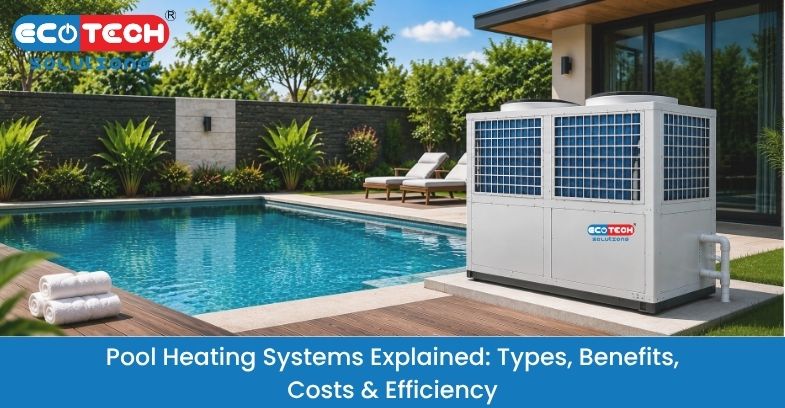
Swimming pools are no longer limited to warm summer months. With the right technology, homeowners, hotels, resorts, sports facilities, and commercial properties can maintain comfortable water temperatures throughout much of the year. Choosing the right pool heating systems can make a significant difference in swimming comfort, operating costs, and overall energy efficiency.
Modern pool heating technology offers several options, including heat pumps, gas heaters, electric resistance heaters, and solar-assisted solutions. Each system works differently, and the best choice depends on factors such as pool size, climate, desired temperature, usage patterns, installation requirements, and available energy sources.
This guide explains the major types of pool heating systems, their benefits, potential costs, efficiency, and important factors to consider before selecting a heating system for pool applications.
What Are Pool Heating Systems?
Pool heating systems are technologies designed to raise and maintain the temperature of swimming pool water. Without a dedicated heating solution, pool water temperature depends primarily on outdoor temperatures, sunlight, wind, and the surrounding environment.
A properly selected heating system transfers or generates heat and then delivers that heat to the pool water. Depending on the technology, the system may use electricity, natural gas, propane, solar energy, or heat recovered from the surrounding air.
The main objective is simple: maintain a comfortable and consistent pool temperature while controlling energy consumption and operating costs.
For commercial facilities, efficient heating can be particularly important because pools may operate for long hours and require consistent temperatures for guests, athletes, or customers.
Why Are Swimming Pool Heating Systems Important?
Swimming pools lose heat continuously, especially when the surrounding air is cooler than the water. Evaporation is one of the biggest causes of heat loss. Wind, low nighttime temperatures, and frequent pool use can increase the rate of cooling.
Modern swimming pool heating systems help compensate for this heat loss.
A reliable system can provide several advantages:
- More comfortable swimming conditions
- Extended swimming seasons
- Better temperature consistency
- Improved facility usability
- Greater control over operating schedules
- Potentially lower energy consumption
- Better suitability for commercial pool applications
For hotels and resorts, maintaining comfortable water temperatures can also improve the overall guest experience. For fitness centers and sports facilities, reliable heating can help support regular pool usage throughout the year.
Types of Pool Heating Systems
There is no single heating technology that works best for every pool. Understanding the differences between the major options can make the selection process easier.
1. Swimming Pool Heat Pumps
Swimming pool heat pumps are increasingly popular because they can provide efficient heating while using electricity as their primary energy source.
Instead of generating heat directly, a heat pump captures available heat from the surrounding air and transfers it into the pool water. This approach can require significantly less electrical energy than conventional electric resistance heating.
A typical heat pump consists of components such as a compressor, heat exchanger, fan, and refrigerant circuit. The system absorbs heat from the surrounding air and transfers it to the pool water through the heat exchanger.
For businesses looking for an energy-conscious solution, ETSolutions provides dedicated Swimming Pool Heat Pump technology designed for efficient pool heating applications.
2. Gas Pool Heaters
Gas heaters use natural gas or propane to generate heat. They can heat pool water relatively quickly and are often considered when rapid temperature increases are important.
One advantage is that gas heating performance is less dependent on outdoor air temperature than air-source heat pump technology. However, fuel consumption can be significant, particularly when a pool needs to be heated frequently.
Gas heaters may therefore be suitable for certain applications where fast heating is more important than maximizing long-term energy efficiency.
3. Electric Resistance Heaters
Electric resistance heaters generate heat by passing electricity through a resistance element. The electrical energy is converted directly into heat, which is transferred to the pool water.
These systems can have relatively straightforward designs, but their electricity consumption can be high when used for large pools or long operating periods.
They may be appropriate for smaller pools or applications where heating requirements are limited.
4. Solar Pool Heating
Solar pool heating systems use solar energy to warm pool water. Water is circulated through solar collectors where it gains heat before returning to the pool.
Solar heating can have very low operating costs after installation because sunlight is the primary energy source. However, performance depends heavily on weather conditions, available sunlight, collector area, and geographic location.
Solar systems can also be combined with other technologies to provide supplementary heating.
How to Choose the Right Heating System for Pool Applications
Choosing a heating system for pool applications requires more than simply comparing equipment prices.
Several factors should be considered.
Pool Size
Larger pools require more energy to reach and maintain the desired temperature. The heating capacity of the equipment should be appropriate for the pool’s water volume.
An undersized system may struggle to maintain temperature, while an oversized system may increase initial equipment costs unnecessarily.
Climate
Local weather conditions have a major impact on heating performance. Heat pumps, for example, rely on heat available in the surrounding air, so outdoor temperature can affect their performance.
Understanding seasonal temperatures can help determine which technology is most appropriate.
Desired Water Temperature
Different users have different comfort requirements. A residential pool may have different temperature requirements from a therapy pool, hotel pool, or competitive swimming facility.
The higher the target temperature and the greater the temperature difference between the pool and surrounding environment, the more energy may be required.
Pool Usage
A pool used every day requires a different heating strategy from one used occasionally.
Commercial pools, hotels, resorts, health clubs, and aquatic centers may benefit from systems designed for continuous or frequent operation.
Energy Availability and Cost
Electricity, natural gas, propane, and solar energy have different costs and availability depending on the location.
Looking only at the purchase price can be misleading. A system with a lower initial price may have higher ongoing operating costs.
Benefits of Modern Pool Heating Systems
Modern pool heating systems can offer more than simply warmer water.
Extended Swimming Season
Heating allows pools to remain comfortable during cooler months. This can be especially valuable for hotels, resorts, health clubs, and commercial facilities that want to maximize pool usage.
Better Temperature Control
A properly sized heating system can help maintain a more stable water temperature instead of relying entirely on natural warming from sunlight.
Improved Comfort
Consistent water temperatures can make swimming more enjoyable, particularly during mornings, evenings, or cooler seasons.
Greater Energy Efficiency
Some technologies are designed specifically to reduce energy consumption. Heat pumps are particularly attractive because they transfer existing heat rather than relying solely on direct electrical heating.
Potential Operating Cost Savings
Energy-efficient equipment may reduce long-term operating expenses. The actual savings depend on factors such as climate, pool size, insulation, water temperature, usage, and energy prices.
Commercial Flexibility
Efficient heating can help commercial facilities maintain comfortable pool temperatures while keeping energy use under better control.
How Much Do Pool Heating Systems Cost?
The cost of pool heating systems varies considerably. There is no universal price because the total investment depends on the technology, heating capacity, pool size, installation requirements, and local conditions.
The main cost categories include:
- Equipment purchase
- Installation
- Electrical or gas connections
- Plumbing modifications
- Controls and automation
- Maintenance
- Energy consumption
- Replacement components
Heat pumps may have a higher upfront equipment cost than some basic heating technologies, but their lower energy consumption can make them attractive over the long term.
Gas heaters may have competitive initial pricing but can involve higher fuel costs depending on usage.
Solar systems can require significant installation work and collector space, but their ongoing energy costs can be comparatively low.
Therefore, buyers should evaluate total cost of ownership rather than focusing only on the initial purchase price.
Understanding Pool Heating Efficiency
Efficiency is one of the most important factors when comparing swimming pool heating systems.
For heat pumps, efficiency is commonly evaluated using a performance measurement that compares the amount of heat delivered with the electricity consumed. The exact performance varies depending on outdoor temperature, water temperature, equipment design, and operating conditions.
Heat pumps can be particularly efficient because they move heat from one location to another instead of producing all the heat through electrical resistance.
However, efficiency should always be evaluated under realistic operating conditions. Manufacturer performance data, installation quality, water flow, maintenance, and climate can all affect actual results.
Ways to Improve Pool Heating Efficiency
Even the most efficient heating equipment can waste energy if the pool itself loses heat quickly.
Consider these practical measures:
Use a Pool Cover
A pool cover can reduce evaporation, which is one of the biggest sources of pool heat loss.
Reduce Wind Exposure
Wind increases evaporation and can accelerate cooling. Landscaping, fencing, and suitable pool design can help reduce exposure.
Maintain Proper Water Circulation
Correct water flow allows the heating equipment to transfer heat effectively.
Maintain the Equipment
Regular inspection and maintenance help ensure that components operate correctly and efficiently.
Use Smart Controls
Automated controls can help schedule heating according to pool usage rather than continuously operating the system.
Choose the Correct Equipment Size
Proper sizing is essential. A system should have enough capacity to meet the pool’s heating requirements without unnecessary oversizing.
Why Heat Pumps Are Becoming a Popular Choice
Among modern pool heating systems, heat pumps are attracting attention because of their combination of energy efficiency, consistent operation, and lower dependence on direct fuel combustion.
They are especially interesting for users who want to extend the swimming season while controlling long-term energy consumption.
Heat pumps can also align with broader sustainability goals because they can operate using electricity and can potentially be paired with renewable electricity sources.
For a deeper look at this technology, read ETSolutions’ guide, “Swimming Pool Heat Pump: The Most Efficient & Sustainable Swimming Pool Heating System for Year-Round Comfort”.
Choosing an Efficient Pool Heater
Selecting the right pool heater requires considering both technical and financial factors.
Before purchasing equipment, evaluate:
- Pool volume and surface area
- Desired water temperature
- Local climate
- Seasonal usage
- Heating speed requirements
- Available electricity or fuel
- Installation conditions
- Initial equipment cost
- Long-term operating costs
- Maintenance requirements
For larger commercial installations, professional system sizing is particularly important. An experienced manufacturer or heating specialist can evaluate the application and recommend suitable equipment capacity.
Why Work With an Experienced Heat Pump Manufacturer?
The quality of the equipment matters, but so does the expertise behind its design and manufacturing.
Working with an experienced Heat Pump Manufacturer can help businesses identify an appropriate heating solution based on application requirements, energy goals, and operating conditions.
ETSolutions develops heat pump technologies for different heating applications, including solutions designed for swimming pool heating. Its product range can help businesses explore alternatives to conventional heating approaches.
Final Thoughts
Choosing between different pool heating systems requires a balance between performance, efficiency, installation requirements, and long-term operating costs. Gas heaters, electric resistance systems, solar solutions, and heat pumps each have specific advantages depending on the application.
For users who prioritize energy efficiency and long-term operation, heat pump technology can be an attractive option. It transfers available environmental heat into the pool instead of relying entirely on direct heat generation.
Ultimately, the best heating system for pool applications depends on pool size, climate, desired temperature, usage frequency, budget, and energy availability. By evaluating these factors together rather than focusing only on the initial purchase price, homeowners and commercial operators can select a solution that delivers comfortable water temperatures while supporting efficient operation.
Whether you operate a residential pool, hotel, resort, sports facility, or commercial aquatic center, investing in the right pool heating systems can extend the usable swimming season and improve overall comfort while helping manage energy consumption.
Contact Us: EcoTech Solutions