

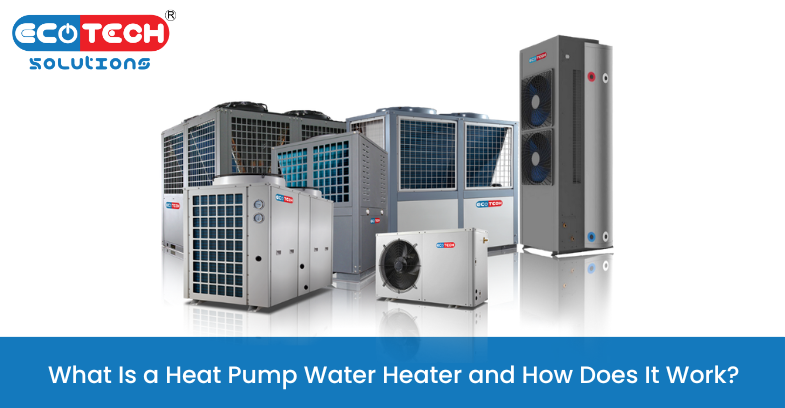
If you are researching energy-efficient ways to heat water, you may have come across this appliance. You may also wonder, what is a heat pump water heater? In simple terms, it uses heat from the surrounding air to warm water. It does not generate heat with an electric element or a gas flame. This makes it one of the most energy-efficient water heating technologies available in India today.
Electricity costs continue to rise across India. Many homeowners are looking for greener alternatives to traditional geysers and solar water heaters. As a result, more people ask what a heat pump water heater is and how it can reduce long-term energy costs. In this guide, we will break down what this technology is, how it works, what it costs to install, and how to choose the right Heat Pump Manufacturer for your needs.
What is a Heat Pump Water Heater? A Simple Definition
To understand what is a heat pump water heaters, think of it as a reverse refrigerator. While a refrigerator pulls heat out of a closed box and releases it into the room, a heat pump water heater pulls heat out of the surrounding air and transfers it into a water tank. It does not create heat from scratch. Instead, it transfers existing heat from one place to another. This process uses much less electricity than conventional water heaters.
This makes heat pump water heaters an excellent choice for homes, hotels, hospitals, gyms, and industries that need a steady, reliable supply of hot water without a high electricity bill. Compared to a standard electric geyser, a heat pump water heater can reduce heating costs by 60–70%. It only uses electricity to run the compressor and fan.
How a Heat Pump Water Heater Works
Now that we’ve covered the basic definition, let’s look at how a heat pump water heater works in more detail. The process follows four main stages:
- Evaporation – A refrigerant inside the unit absorbs heat from the outside air and turns into a low-pressure gas.
- Compression – The compressor squeezes this gas, raising its temperature significantly.
- Condensation – The hot gas passes through a coil submerged in or wrapped around the water tank, releasing heat into the water and turning back into a liquid.
- Expansion – The refrigerant passes through an expansion valve, cooling down and returning to the evaporator to repeat the cycle.
Understanding how a heat pump water heater works helps explain why it performs so efficiently even in India’s varied climate conditions. As long as there is ambient air available, the unit can continue extracting heat, making it suitable for use across most regions of the country, from coastal cities to drier inland areas.
Homes looking for a compact, residential-friendly option can explore our Domestic Heat Pump range, designed specifically for everyday household hot water needs.
Key Components of a Heat Pump Water Heater
- Compressor – The heart of the system, responsible for pressurizing the refrigerant.
- Evaporator coil – Absorbs heat from the surrounding air.
- Condenser coil – Transfers absorbed heat into the water tank.
- Refrigerant – The medium that carries heat through the cycle.
- Storage tank – Holds the heated water until it is needed.
- Control panel – Lets users set temperature and monitor performance.
Benefits of Installing a Heat Pump Water Heater
- Lower electricity bills compared to electric geysers
- Environmentally friendly, since it uses ambient air instead of burning fuel
- Consistent hot water supply, even during monsoon or cloudy days, unlike solar water heaters
- Longer lifespan with proper maintenance
- Lower running costs for high-usage settings such as hotels, hospitals, and dairies
Types of Heat Pump Water Heaters
Not all heat pump water heaters are built the same way, and knowing the differences can help you pick the right one for your home or business.
- Air-to-water heat pumps – The most common type, these draw heat from the surrounding outdoor or indoor air and transfer it to water. They work well in most Indian climates and are the standard choice for residential use.
- Integrated (all-in-one) units – These combine the compressor, condenser, and storage tank into a single compact unit, making installation simpler and ideal for smaller homes or apartments. Here you can see: All in One heat pump water heater.
- Split system units – Here, the compressor unit is installed outdoors while the storage tank stays indoors, connected by refrigerant piping. This setup is popular in larger homes and commercial buildings where space and noise levels need to be managed separately.
- Commercial and industrial heat pumps – Built with higher-capacity compressors and larger tanks, these are designed for continuous, high-volume hot water demand in hotels, hospitals, and manufacturing units.
Choosing between these types depends on your daily hot water requirement, available installation space, and budget, so it’s worth discussing your specific use case with a specialist before making a decision.
Heat Pump Water Heater Installation Cost
One of the most common questions after understanding what is a heat pump water heater is around budgeting. The heat pump water heater installation cost depends on several factors, including tank capacity, the type of compressor used, and whether the unit is for residential or commercial use.
For a typical home setup, this cost is generally higher upfront than a standard electric geyser, but the difference is recovered within 2–3 years through electricity savings. Commercial and industrial setups, which require larger tanks and higher-capacity compressors, will naturally have a higher heat pump water heater installation cost, but the long-term savings scale accordingly for high hot-water-demand businesses like hotels and hospitals.
To get an accurate cost estimate based on your specific requirements, along with professional setup, visit our heat pump installation page for details on the process and what to expect.
Choosing the Right Heat Pump Water Heater Manufacturer in India
Since this is a long-term investment, choosing the right heat pump water heater manufacturer in india matters as much as understanding the technology itself. A good manufacturer should offer:
- Products tested for Indian climate conditions
- Warranty and after-sales service support
- A range of capacities for residential, commercial, and industrial use
- Transparent pricing and installation guidance
Working with an experienced heat pump water heater manufacturer in india ensures you get a system that is built to last, backed by local support, and optimized for your specific hot water needs. EcoTech Solutions has years of experience designing and manufacturing heat pump systems suited to Indian households and industries.
Finding a Reliable Heat Pump Water Heater Supplier
Beyond manufacturing, working with the right heat pump water heater supplier ensures smoother installation, timely delivery, and ongoing maintenance support. A trustworthy supplier will guide you through selecting the correct tank size and compressor type based on your daily hot water usage, rather than pushing a one-size-fits-all solution.
When comparing options, ask your heat pump water heater supplier about installation timelines, spare part availability, and service response times, since these factors matter more over the life of the product than the upfront price alone.
Frequently Asked Questions
Is a heat pump water heater worth it in India? Yes. Given India’s warm climate for most of the year, heat pump water heaters perform efficiently and offer significant electricity savings compared to conventional geysers.
Does a heat pump water heater work in winter? Yes, as long as there is ambient air available, though efficiency can vary slightly with very low outdoor temperatures.
How long does a heat pump water heater last? With proper maintenance, most units last 10–15 years, similar to or longer than conventional electric water heaters.
Conclusion
So, what is a heat pump water heater? It is an energy-efficient appliance that transfers heat from the surrounding air into your water supply, cutting electricity costs significantly compared to traditional heating methods. Whether you’re a homeowner looking to reduce monthly bills or a business managing high hot water demand, understanding how the technology works, what installation costs to expect, and how to choose a reliable manufacturer and supplier will help you make an informed decision.
If you’re ready to make the switch, explore our range of heat pump systems and get in touch with our team for a free consultation on the right setup for your home or business. You can also follow us on LinkedIn for the latest updates, product launches, and energy-saving tips.
Contact Us: EcoTech Solutions