
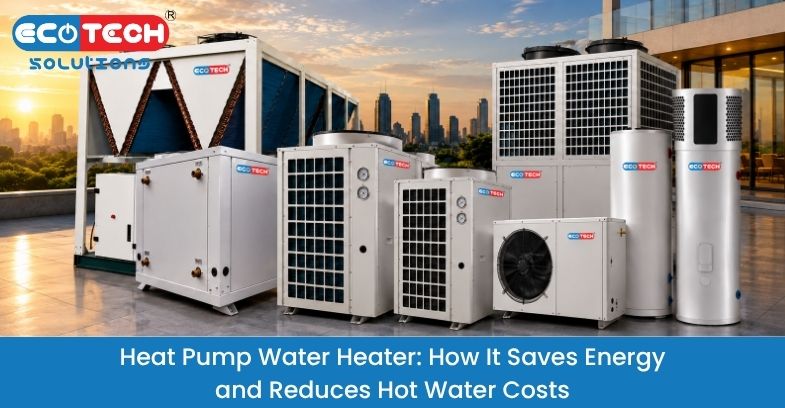
Hot water is essential for homes, hotels, hospitals, restaurants, commercial buildings, and many industrial facilities. However, traditional water heating systems can consume a significant amount of electricity or fuel, resulting in high operating costs. As businesses and property owners increasingly look for energy-efficient alternatives, the heat pump water heater has become a popular solution.
Unlike conventional electric water heaters that generate heat directly, a heat pump system transfers heat from the surrounding air to heat water. This efficient operating principle can significantly reduce energy consumption while providing a reliable supply of hot water.
In this guide, we will explain how a heat pump water heater works, how it saves energy, the benefits it offers, and why it can be a smart investment for residential, commercial, and industrial applications.
What Is a Heat Pump Water Heater?
Many people searching for energy-efficient water heating solutions ask, what is a heat pump water heaters and how does this technology work?
A heat pump water heater is an advanced water heating system that uses heat pump technology to extract heat from the surrounding air and transfer that heat to water stored in a tank.
Instead of creating heat directly through an electric heating element, the system moves existing heat from one location to another.
The basic working process includes:
- Absorbing heat from the surrounding air
- Compressing refrigerant to increase its temperature
- Transferring the collected heat to the water
- Storing hot water for future use
- Repeating the cycle to maintain the required water temperature
This process makes a heat pump water heater significantly more energy efficient than many conventional electric water heating systems.
How Does a Heat Pump Water Heater Work?
A heat pump water heater works using a refrigeration cycle similar to the technology used in air conditioning systems and refrigerators.
However, instead of removing heat and releasing it outside, the system captures available heat and transfers it into the water.
Step 1: Heat Absorption
The heat pump absorbs thermal energy from the surrounding air.
Even when the air temperature does not feel particularly hot, it contains thermal energy that can be collected and used.
Step 2: Refrigerant Evaporation
The absorbed heat causes the refrigerant inside the system to evaporate and change into a gas.
Step 3: Compression
The refrigerant gas passes through a compressor, where its temperature and pressure increase significantly.
Step 4: Heat Transfer
The high-temperature refrigerant transfers its heat to the water through a heat exchanger.
Step 5: Hot Water Storage
The heated water is stored in an insulated tank and supplied whenever hot water is required.
This process allows a heat pump water heater to deliver hot water efficiently while using less electricity than traditional resistance-based heating systems.
How Does a Heat Pump Water Heater Save Energy?
The biggest advantage of a heat pump system is that it transfers heat rather than generating all the heat directly from electricity.
Traditional electric water heaters typically use electricity to create heat through heating elements. A heat pump, on the other hand, uses electricity primarily to operate the compressor, fan, and other system components while utilizing heat already available in the surrounding environment.
Key Reasons for Energy Savings
A heat pump water heating system can help reduce energy consumption because it:
- Transfers existing heat instead of generating all heat directly
- Uses ambient air as a renewable heat source
- Requires less electrical energy for water heating
- Provides efficient operation for high hot-water demand
- Can reduce dependence on conventional fuel-based systems
- Offers consistent performance when properly designed and installed
For facilities that require large volumes of hot water every day, these energy savings can make a significant difference in long-term operating costs.
How a Heat Pump Water Heater Reduces Hot Water Costs
Energy consumption is one of the biggest operating expenses associated with water heating.
Hotels, hospitals, hostels, restaurants, food processing facilities, gyms, and commercial buildings may require hot water throughout the day. Using conventional water heaters for continuous hot water production can increase electricity or fuel bills.
A properly selected commercial heat pump water heater can help reduce these costs by improving energy efficiency.
Lower Electricity Consumption
Because the system transfers heat from the surrounding environment, it can use less electricity compared to traditional electric resistance water heaters.
Reduced Operating Costs
Lower energy consumption can lead to reduced monthly utility expenses, particularly for businesses with continuous hot water requirements.
Better Long-Term Savings
Although the initial investment in a heat pump system may be higher than some conventional water heaters, the reduction in operating costs can provide better long-term value.
Efficient Large-Scale Water Heating
A commercial heat pump water heater can be designed to meet the requirements of facilities with large and continuous hot water demand.
This makes the technology suitable for businesses looking to improve both operational efficiency and sustainability.
Major Benefits of a Heat Pump Water Heater
Investing in a modern heat pump water heater provides several advantages beyond energy savings.
1. High Energy Efficiency
Heat pump technology can achieve high efficiency because it moves heat rather than relying completely on direct electrical heating.
This makes it an attractive option for organizations focused on reducing energy consumption.
2. Lower Hot Water Costs
Reduced electricity consumption can help decrease the cost of producing hot water.
Over time, these savings can make a significant contribution to lowering operating expenses.
3. Environmentally Friendly Operation
Using ambient heat can reduce dependence on conventional energy sources.
Businesses that want to improve their environmental performance may benefit from switching to energy-efficient water heating technology.
4. Suitable for Multiple Applications
Heat pump systems can be used in a wide range of environments, including:
- Hotels
- Hospitals
- Resorts
- Restaurants
- Hostels
- Apartment buildings
- Educational institutions
- Commercial buildings
- Industrial facilities
- Swimming pools
- Food processing units
5. Reliable Hot Water Supply
A properly designed system can provide a consistent supply of hot water based on the specific requirements of the facility.
6. Reduced Carbon Footprint
Lower energy consumption may also help organizations reduce their overall carbon emissions.
This is particularly important for companies working toward sustainability and energy efficiency goals.
Commercial Heat Pump Water Heater Applications
A commercial heat pump water heater is designed for locations that require a larger volume of hot water than a typical residential property.
Commercial facilities often operate for long hours and require hot water for multiple applications. Traditional heating systems can result in significant energy costs.
A commercial heat pump system can provide an efficient alternative.
Hotels and Resorts
Hotels require hot water for:
- Guest rooms
- Bathrooms
- Kitchens
- Laundry operations
- Swimming pools
- Spa facilities
A commercial heat pump water heater can help hotels manage their energy consumption while maintaining a reliable supply of hot water.
Hospitals and Healthcare Facilities
Healthcare facilities require hot water for hygiene, cleaning, sanitation, and patient care.
Energy-efficient water heating solutions can help reduce operational costs while supporting daily requirements.
Restaurants and Commercial Kitchens
Restaurants require hot water for:
- Cleaning utensils
- Washing dishes
- Food preparation
- Kitchen sanitation
A properly designed heat pump system can help reduce the energy costs associated with commercial kitchen operations.
Hostels and Educational Institutions
Hostels, schools, and colleges may have a large number of occupants requiring hot water.
A centralized commercial heat pump system can provide a more efficient solution than installing multiple individual water heaters.
Industrial Facilities
Many industrial facilities require hot water for cleaning, processing, and manufacturing operations.
Depending on temperature and capacity requirements, heat pump technology may provide an efficient alternative for industrial water heating.
Choosing the Right Heat Pump Water Heater
Selecting the right heat pump water heater is important for achieving the best possible energy savings and performance.
Before choosing a system, consider the following factors.
Hot Water Demand
Calculate how much hot water your home, business, or facility requires each day.
The required capacity will depend on:
- Number of users
- Daily water consumption
- Operating hours
- Peak demand periods
- Application requirements
Required Water Temperature
Different applications require different water temperatures.
Hotels and residential facilities may have different requirements than industrial operations.
Installation Location
The available space and surrounding environmental conditions can affect system performance.
Proper placement is important for efficient heat absorption and reliable operation.
System Capacity
The heat pump capacity should be selected based on actual hot water demand rather than simply choosing the largest available system.
An oversized or undersized system may not provide optimal performance.
Professional Installation
Correct installation is essential for the efficiency and reliability of the system.
Professional Heat Pump Water Heater Installation can help ensure that the system is properly designed and installed according to the facility’s requirements.
Why Work With a Heat Pump Water Heater Manufacturer in India?
Choosing the right heat pump water heater manufacturer in India is an important part of selecting an energy-efficient water heating solution.
A reliable manufacturer can help businesses identify the right system based on their specific requirements.
When evaluating a heat pump water heater manufacturer in India, consider:
- Product quality
- Energy efficiency
- System capacity options
- Commercial and industrial experience
- Technical support
- Installation assistance
- After-sales service
- Customization capabilities
Working with an experienced Heat Pump Manufacturer can help businesses select water heating solutions designed for their operational needs.
The right manufacturer can also provide guidance regarding system sizing, installation requirements, and long-term maintenance.
Heat Pump Water Heater vs Traditional Water Heater
Understanding the difference between a heat pump system and a traditional water heater can help buyers make a more informed decision.
Traditional Electric Water Heater
Traditional electric water heaters generally use electrical resistance elements to generate heat directly.
Advantages:
- Simple technology
- Easy installation
- Widely available
Potential limitations:
- Higher electricity consumption
- Increased operating costs
- Less efficient for large-scale continuous use
Heat Pump Water Heater
A heat pump water heater transfers heat from the surrounding air into the water.
Advantages:
- High energy efficiency
- Lower electricity consumption
- Reduced long-term operating costs
- Suitable for commercial applications
- Environmentally friendly operation
Potential considerations:
- Higher initial investment
- Requires proper installation
- Performance can depend on environmental conditions
For facilities with significant hot water requirements, the long-term energy savings may make a heat pump system an attractive investment.
Understanding the Initial Investment and Long-Term Savings
One of the most common concerns about heat pump technology is the initial purchase cost.
A heat pump system may require a higher upfront investment compared to some conventional water heating systems.
However, evaluating only the purchase price does not provide a complete picture.
Businesses should consider:
- Initial equipment cost
- Installation cost
- Electricity consumption
- Fuel consumption
- Maintenance requirements
- Expected operating life
- Long-term energy savings
The reduced energy consumption of a commercial heat pump water heater can help offset the initial investment over time.
The actual savings will depend on factors such as:
- Local electricity prices
- Daily hot water demand
- Existing heating technology
- System capacity
- Installation quality
- Operating conditions
Importance of Proper Heat Pump Water Heater Installation
Even the most advanced system may not perform efficiently if it is installed incorrectly.
Proper installation can influence:
- Energy efficiency
- System performance
- Equipment lifespan
- Hot water availability
- Maintenance requirements
Professional installation should consider the facility’s hot water demand, available space, water storage requirements, piping system, and environmental conditions.
Maintenance Tips for Better Performance
Regular maintenance can help maintain the efficiency and reliability of a heat pump system.
Some important maintenance practices include:
- Cleaning air filters regularly
- Checking the evaporator and condenser components
- Inspecting refrigerant levels when required
- Checking water connections
- Inspecting electrical components
- Monitoring system performance
- Scheduling professional servicing
Regular maintenance can help identify potential problems early and support consistent long-term performance.
Is a Heat Pump Water Heater Worth the Investment?
For homeowners, businesses, and industrial facilities with regular hot water requirements, a heat pump system can be a valuable long-term investment.
The technology is particularly beneficial when:
- Hot water demand is high
- Energy costs are increasing
- The facility operates throughout the day
- Sustainability is a business priority
- Long-term operating savings are important
Businesses can explore different shop heat pump water heater solutions based on their capacity and application requirements.
Before investing, it is recommended to evaluate the total hot water demand and consult experienced professionals for proper system selection.
The Future of Energy-Efficient Water Heating
As energy costs continue to be a major concern for businesses and consumers, energy-efficient technologies are becoming increasingly important.
Heat pump technology offers a practical solution by utilizing available environmental heat to produce hot water more efficiently.
Future water heating systems are likely to focus on:
- Improved energy efficiency
- Smart temperature controls
- Reduced environmental impact
- Lower operating costs
- Better system monitoring
- Integration with renewable energy solutions
As more businesses focus on sustainability and operational efficiency, demand for advanced heat pump solutions is expected to continue growing.
Conclusion
A heat pump water heater offers an efficient and cost-effective alternative to traditional water heating systems. Instead of generating all heat directly from electricity, the system transfers available heat from the surrounding air into the water.
This efficient process can help reduce energy consumption and lower hot water costs over time.
For hotels, hospitals, restaurants, educational institutions, commercial buildings, and industrial facilities, a commercial heat pump water heater can provide an effective solution for managing large hot water requirements.
Understanding what is a heat pump water heaters and how the technology works can help businesses make informed decisions when selecting a water heating system.
Choosing an experienced heat pump water heater manufacturer in India, selecting the correct system capacity, and ensuring professional installation are all important factors for achieving reliable performance and long-term energy savings.
With increasing energy costs and growing demand for sustainable technology, heat pump water heating systems offer a smart solution for organizations looking to improve efficiency and reduce operational expenses.
Frequently Asked Questions (FAQs)
1. What is a heat pump water heater?
A heat pump water heater is an energy-efficient system that absorbs heat from the surrounding air and transfers it to water. Unlike traditional electric water heaters, it does not rely entirely on electricity to generate heat directly.
2. How does a heat pump water heater save energy?
A heat pump water heater saves energy by transferring existing heat from the air instead of producing all the heat through electrical resistance. This can reduce electricity consumption compared with conventional electric water heating systems.
3. Is a commercial heat pump water heater suitable for hotels?
Yes. A commercial heat pump water heater can be suitable for hotels and other facilities with high hot water demand. The system capacity should be selected based on the property’s specific usage requirements.
4. How do I choose a heat pump water heater manufacturer in India?
When choosing a heat pump water heater manufacturer in India, consider product quality, energy efficiency, technical expertise, available system capacities, installation support, and after-sales service.
5. Does a heat pump water heater require professional installation?
Yes. Professional installation is recommended to ensure proper system sizing, equipment placement, piping connections, and efficient operation.
Contact Us: EcoTech Solutions