Industries around the world are looking for practical ways to lower operating costs, conserve resources, and reduce their environmental impact. As energy demand continues to grow, businesses are increasingly focusing on energy efficiency as an important part of long-term sustainability. From manufacturing and food processing to commercial facilities and other industrial operations, using energy more effectively can support both operational performance and environmental goals.
Modern technology is making it possible for industries to monitor energy use, reduce unnecessary consumption, improve thermal performance, and make better use of available resources. Rather than simply using less energy, efficient systems aim to achieve the same or better results while minimizing energy waste.
What Is Energy Efficiency?
So, what is energy efficiency? In simple terms, it means achieving a desired result while using less energy than would otherwise be required. An energy-efficient system can perform a specific task while reducing unnecessary energy consumption.
For example, an industrial process may require heating, cooling, drying, or temperature management. An inefficient system may lose significant amounts of energy during operation. An efficient system, on the other hand, can be designed to minimize losses and use energy more effectively.
Understanding what is energy efficiency is important because it is not simply about reducing energy use at any cost. Businesses still need to maintain productivity, product quality, safety, and operational reliability. The objective is to optimize energy consumption while maintaining the required performance.
Technological improvements, better maintenance, process optimization, insulation, heat recovery, automation, and modern thermal systems can all contribute to improved efficiency.
Why Is Energy Efficiency Important for Sustainable Industries?
One of the most common questions businesses ask is why is energy efficiency important when developing long-term sustainability strategies. Energy is a fundamental requirement for almost every industrial process, and inefficient consumption can increase operating expenses while placing additional pressure on natural resources.
The answer to why is energy efficiency important becomes clearer when businesses consider their entire operation. Energy-efficient processes can help organizations manage resources more effectively and identify areas where energy is being unnecessarily lost.
There are several reasons efficiency has become an important consideration for modern industries:
- It can help reduce unnecessary energy consumption.
- It can support more predictable operating costs.
- It can improve resource utilization.
- It can contribute to environmental sustainability.
- It can encourage investment in modern technologies.
- It can support more efficient industrial processes.
For companies working toward sustainability goals, improving energy performance can therefore become part of a broader strategy rather than an isolated technical upgrade.
The Connection Between Energy Efficiency and Sustainability
Sustainability involves using resources responsibly while considering long-term environmental, economic, and operational needs. Energy use is closely connected to this objective because industrial operations can require substantial amounts of electricity or other forms of energy.
Improving energy efficiency can help businesses achieve more with the resources already available. Instead of continuously increasing energy consumption as production expands, companies can examine whether existing processes can be optimized.
This approach is particularly relevant in industries that depend on heating, cooling, drying, refrigeration, water heating, or temperature-controlled environments. These operations can benefit from technologies and processes designed to minimize energy losses.
Energy efficiency can also complement renewable energy strategies. While renewable energy can change the source of energy being used, efficiency focuses on how effectively that energy is consumed. Combining both approaches can create a more comprehensive sustainability strategy.
Benefits of Energy Efficiency for Industrial Operations
The benefits of energy efficiency extend beyond simply reducing utility bills. When businesses examine how energy moves through their operations, they may identify opportunities to improve processes, equipment utilization, maintenance practices, and overall productivity.
Some important benefits of energy efficiency include:
1. Lower Energy Consumption
Efficient systems are designed to minimize unnecessary energy use. Over time, reducing wasted energy can have a meaningful impact on overall consumption.
2. Better Resource Utilization
Energy is one of many resources used in industrial operations. Improving efficiency can encourage businesses to optimize how equipment, materials, and energy interact throughout a process.
3. Improved Operational Planning
Monitoring energy performance can provide useful information about when and where energy is being consumed. Businesses can use this information to identify inefficient processes and prioritize improvements.
4. Support for Environmental Goals
Reducing unnecessary energy consumption can contribute to broader sustainability objectives. Companies may be able to reduce the environmental impact associated with their energy use while improving operational efficiency.
5. Long-Term Cost Management
Energy expenses can represent a significant operational cost for some industries. Efficiency improvements may help businesses manage these expenses more effectively over the long term.
Thermal Technology and Industrial Energy Efficiency
Thermal processes are particularly important when discussing industrial energy efficiency. Many industries rely on controlled heating or cooling to complete manufacturing, food processing, water heating, drying, and other processes.
Heat can be transferred through conduction, convection, and radiation. During industrial operations, some of this thermal energy may be lost through equipment surfaces, inefficient processes, poor insulation, or inadequate system design.
Modern thermal technologies can help businesses better manage these energy flows.
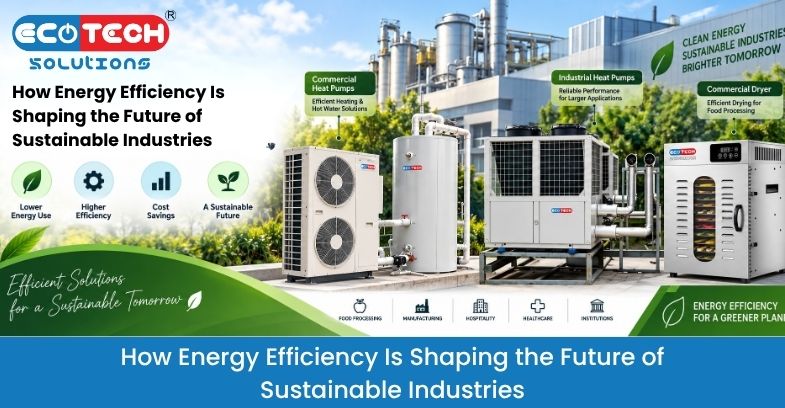
For example, heat pump technology can transfer heat from one location to another rather than generating all required heat directly. Businesses interested in understanding these technologies can explore solutions from a Heat Pump Manufacturer.
The goal is not simply to introduce new equipment. Businesses should consider the complete process, including operating temperatures, energy sources, heat losses, maintenance requirements, and production needs.
How Commercial Heat Pumps Support Efficient Energy Use
Commercial facilities and industrial environments often require reliable heating and hot-water solutions. Traditional heating methods can consume considerable energy depending on operating conditions and system design.
Modern commercial heat pump systems can provide an alternative approach by transferring available heat into a useful application. Their suitability depends on factors such as required temperature, operating conditions, system configuration, and facility requirements.
Businesses exploring this area can learn more about Commercial Heat Pumps and how thermal technology can fit into different commercial applications.
When evaluating an energy-efficient solution, organizations should look beyond equipment specifications. The complete system should be assessed based on expected operating conditions, energy demand, maintenance requirements, installation considerations, and long-term performance.
Energy Efficiency in Food Processing and Drying
Food processing is another area where efficient energy use can play an important role. Drying is used to reduce moisture in foods and can help with preservation, storage, and product preparation.
However, drying processes can require controlled heat and airflow. Poor process control or inefficient equipment may result in unnecessary energy consumption.
Modern drying systems can be designed to provide controlled temperature and airflow while supporting consistent processing conditions. Businesses involved in food processing can explore technologies such as the Commercial Dryer when evaluating commercial drying requirements.
The right approach depends on the type of food, moisture content, desired final condition, production volume, temperature requirements, and operating environment.
Smart Monitoring Is Changing Industrial Energy Management
Technology is also changing how companies monitor energy use. Instead of relying only on monthly utility bills, businesses can increasingly examine energy consumption at different stages of their operations.
Energy monitoring can help identify:
- Unexpected increases in consumption
- Equipment operating outside normal conditions
- Energy-intensive processes
- Production periods with higher energy demand
- Potential equipment maintenance issues
- Opportunities for process optimization
Data-driven energy management allows organizations to make decisions based on actual operating information rather than assumptions.
For larger facilities, combining monitoring systems with automation can provide even greater visibility. Automated controls can adjust certain processes based on temperature, demand, operating schedules, or other predefined conditions.
The Role of Maintenance in Energy Efficiency
Technology alone cannot guarantee efficient operation. Equipment maintenance is an important part of an effective energy strategy.
Poorly maintained equipment may consume more energy than expected. Dirty components, damaged insulation, inefficient airflow, incorrect settings, and mechanical problems can all affect system performance.
A preventive maintenance program can help businesses identify problems before they become major operational issues. Regular inspections and performance monitoring can also help organizations understand whether equipment is operating according to expected conditions.
This is particularly important for systems involved in heating, cooling, drying, and other energy-intensive applications.
How Industries Can Improve Energy Efficiency
Businesses do not necessarily need to make major changes all at once. A structured approach can help organizations identify practical opportunities.
Conduct an Energy Assessment
The first step is understanding where energy is being consumed. Businesses can examine major equipment, production processes, heating and cooling systems, lighting, and other energy-intensive operations.
Identify Energy Losses
Once consumption patterns are understood, companies can investigate where energy may be wasted. Heat loss, inefficient operating schedules, unnecessary equipment use, and poor maintenance are potential areas to examine.
Upgrade Inefficient Systems
Where appropriate, businesses can consider modern technologies designed to improve energy performance. Equipment should be selected according to actual operational requirements rather than simply choosing the newest available technology.
Improve Process Control
Temperature, airflow, operating schedules, and production conditions can influence energy consumption. Better process control can help avoid unnecessary energy use while maintaining required production standards.
Monitor Performance
Energy efficiency should be treated as an ongoing process. Monitoring consumption and system performance allows businesses to determine whether improvements are delivering the expected results.
What Is Energy Efficiency Going to Mean for Future Industries?
As industries become more connected and data-driven, what is energy efficiency may increasingly be viewed as more than simply using less power. Future efficiency strategies are likely to involve intelligent monitoring, automated controls, improved thermal management, resource optimization, and integration with renewable energy.
Industrial organizations may increasingly use real-time data to identify inefficiencies and make operational adjustments. Digital technologies can also help companies understand how changes in production schedules or equipment settings affect energy demand.
At the same time, sustainability expectations are encouraging businesses to consider the environmental impact of their operations alongside financial performance.
Why Is Energy Efficiency Important for Long-Term Industrial Growth?
The question of why is energy efficiency important will remain relevant as businesses face changing energy costs, growing resource demands, and increasing expectations around sustainability.
Efficient operations can help organizations use existing resources more effectively instead of relying solely on increased consumption to support growth.
For industrial businesses, this can mean examining every stage of an operation—from energy generation and thermal transfer to production, drying, storage, and facility management.
Companies that take a systematic approach can identify opportunities for improvement while maintaining their focus on productivity and product quality.
The Future of Sustainable Industries
The future of sustainable industry will likely involve a combination of efficient technologies, responsible resource management, data-driven decision-making, and renewable energy.
Energy efficiency will remain an important part of this transition because reducing waste can improve how existing resources are used. Businesses can explore improvements in equipment, processes, maintenance, thermal management, automation, and monitoring.
The benefits of energy efficiency can therefore extend across environmental, operational, and economic considerations. Instead of treating efficiency as a single upgrade, organizations can make it part of their overall approach to sustainable growth.
Conclusion
The move toward sustainable industry is changing how businesses think about energy, technology, and resource management. Energy efficiency provides a practical framework for improving energy use without compromising essential industrial performance.
From smarter thermal processes and commercial heating applications to improved food drying, monitoring, maintenance, and process control, businesses have multiple opportunities to reduce unnecessary energy consumption.
The benefits of energy efficiency are not limited to energy savings. Efficient operations can support better resource utilization, operational planning, environmental objectives, and long-term business sustainability.
As technology continues to evolve, industries can combine efficient systems with renewable energy, intelligent monitoring, and responsible resource management. This integrated approach can help create industrial operations that are more resilient, productive, and prepared for the future.
Contact Us: EcoTech Solutions