

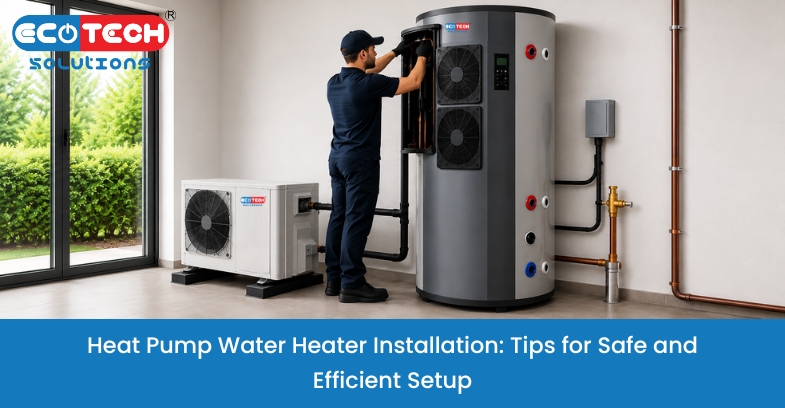
Installing a heat pump water heater is one of the smartest investments for homeowners, commercial buildings, hotels, hospitals, and industries looking to reduce energy consumption while ensuring a reliable hot water supply. Unlike conventional electric or gas water heaters, heat pump water heaters use advanced technology to transfer heat from the surrounding air, making them significantly more energy-efficient and environmentally friendly.
However, even the best system can underperform if it is installed incorrectly. Understanding the installation requirements, choosing the right location, and following best practices are essential for achieving maximum efficiency, long equipment life, and lower operating costs.
In this guide, you’ll learn everything you need to know about heat pump water heater installation, including preparation, location selection, installation tips, common mistakes to avoid, and maintenance recommendations.
What Is a Heat Pump Water Heater?
A heat pump water heater extracts heat from the surrounding air instead of generating heat directly through electrical resistance. This innovative technology consumes much less electricity while delivering consistent hot water for residential and commercial applications.
As demand for energy-efficient appliances continues to grow, heat pump water heater India solutions are becoming increasingly popular due to rising electricity costs and sustainability goals.
Whether you’re installing a unit in a home, apartment complex, hotel, hospital, or industrial facility, selecting the correct installation method is critical for long-term performance.
For high-quality systems, explore Heat Pump Manufacturer, offering energy-efficient water heating solutions for residential and commercial applications.
Why Proper Installation Matters
A professional heat pump water heater installation ensures:
- Maximum energy efficiency
- Lower electricity bills
- Reliable hot water supply
- Longer equipment lifespan
- Reduced maintenance costs
- Quiet operation
- Better safety
- Improved overall system performance
Improper installation can reduce efficiency, increase power consumption, create noise issues, and shorten the lifespan of the unit.
Things to Consider Before You Install Heat Pump Water Heater
Before you install heat pump water heater, several factors should be evaluated.
1. Hot Water Demand
Calculate your daily hot water usage based on:
- Family size
- Number of bathrooms
- Kitchen usage
- Laundry requirements
- Commercial occupancy
Selecting the correct tank size ensures consistent performance without unnecessary energy waste.
2. Available Installation Space
Heat pump water heaters require sufficient airflow to extract heat efficiently.
A cramped installation area reduces performance and increases operating costs.
3. Climate Conditions
Although modern systems operate efficiently in various climates, they perform best in moderate to warm temperatures.
Fortunately, heat pump water heater India models are specifically designed to work efficiently under Indian weather conditions.
4. Electrical Requirements
Ensure your installation location has:
- Proper voltage
- Dedicated electrical circuit
- Correct breaker capacity
- Reliable grounding
Electrical work should always be completed by qualified professionals.
Where to Install Heat Pump Water Heater
One of the most frequently asked questions is where to install heat pump water heater systems for optimal efficiency.
The location directly impacts energy savings and system performance.
Ideal Locations
- Utility rooms
- Garages
- Basements
- Service rooms
- Mechanical rooms
- Outdoor covered areas (for outdoor-rated models)
These locations usually provide adequate airflow and easy maintenance access.
When deciding where to install heat pump water heater, ensure there is enough clearance around the unit according to the manufacturer’s recommendations.
Avoid These Installation Locations
Do not install the unit in:
- Small enclosed closets
- Poorly ventilated spaces
- Extremely cold environments
- Areas exposed to flooding
- Direct sunlight for prolonged periods
- Dust-heavy industrial zones without filtration
Choosing the wrong location is one of the biggest reasons for poor system performance.
Step-by-Step Heat Pump Water Heater Installation Process
A proper heat pump water heater installation involves several important steps.
Step 1: Site Inspection
Professionals inspect:
- Floor strength
- Drainage
- Air circulation
- Electrical supply
- Water connections
Planning ahead prevents costly modifications later.
Step 2: Position the Unit
Place the water heater on a stable, level surface.
Maintain adequate clearance around all sides to allow unrestricted airflow.
This is another important consideration when deciding where to install heat pump water heater equipment.
Step 3: Connect Water Lines
Install:
- Cold water inlet
- Hot water outlet
- Pressure relief valve
- Drain line
Use corrosion-resistant plumbing materials for long-term reliability.
Step 4: Electrical Connections
Connect the unit using the recommended electrical specifications.
Never overload existing circuits.
Professional electricians should complete all wiring work.
Step 5: Condensate Drain Installation
Heat pump systems naturally produce condensation.
Install an appropriate drain line to prevent water accumulation around the unit.
Step 6: Initial Testing
Before regular operation:
- Fill the tank
- Check for leaks
- Verify water pressure
- Test heating performance
- Confirm thermostat operation
A successful heat pump water heater installation ends with complete system testing.
Professional Tips to Install Heat Pump Water Heater Safely
If you plan to install heat pump water heater, follow these best practices:
Ensure Proper Ventilation
Adequate airflow is essential for efficient heat transfer.
Use Quality Plumbing Components
Premium fittings reduce leaks and improve system reliability.
Install Vibration Pads
Rubber vibration pads minimize operational noise.
Maintain Service Clearance
Always leave sufficient space for maintenance and repairs.
Follow Manufacturer Guidelines
Every system has specific installation requirements that should never be ignored.
Common Installation Mistakes
Many installation problems result from simple errors.
Avoid:
- Poor airflow
- Incorrect electrical connections
- Improper drainage
- Undersized piping
- Wrong tank size
- Inadequate insulation
- Ignoring maintenance access
Avoiding these mistakes ensures your heat pump water heater installation delivers maximum efficiency.
Heat Pump Water Heater India: Growing Demand
The market for heat pump water heater India systems is expanding rapidly.
Several industries are adopting this technology, including:
- Hotels
- Hospitals
- Apartment complexes
- Restaurants
- Educational institutions
- Food processing plants
- Manufacturing facilities
- Residential homes
Government initiatives promoting energy efficiency have also increased adoption across the country.
Modern heat pump water heater India solutions provide substantial electricity savings compared to conventional electric geysers.
Maintenance After Installation
Proper maintenance keeps your system running efficiently.
Monthly
- Inspect for leaks
- Check drainage
- Clean surrounding area
Every Three Months
- Inspect electrical connections
- Clean air filters
- Check airflow
Every Six Months
- Flush the water tank
- Inspect valves
- Test thermostat
Annual Maintenance
Professional servicing includes:
- Refrigerant inspection
- Compressor performance check
- Heat exchanger cleaning
- Electrical testing
- Overall efficiency evaluation
Routine maintenance protects your investment after heat pump water heater installation.
Why Professional Installation Is Worth It
Although some homeowners consider DIY installation, professional services provide significant advantages.
Professionals:
- Ensure code compliance
- Improve system efficiency
- Prevent installation errors
- Protect manufacturer warranties
- Enhance equipment lifespan
- Improve operational safety
For commercial systems, professional installation is strongly recommended.
Choosing the Right Heat Pump Water Heater
Before making a purchase, consider:
- Daily hot water demand
- Tank capacity
- Energy efficiency rating
- Noise levels
- Installation space
- Climate suitability
- Warranty coverage
- Service support
If you’re looking for dependable solutions, explore Domestic Heat Pump Water Heater options designed for energy-efficient residential hot water needs.
You can also learn more about the Benefits of Heat Pump Water Heater for Homes to understand why these systems are becoming a preferred choice for modern households.
Conclusion
A well-planned heat pump water heater installation is the foundation of a reliable, energy-efficient hot water system. From selecting the right location and ensuring proper ventilation to following electrical and plumbing best practices, every step contributes to long-term performance and lower operating costs.
If you’re planning to install heat pump water heater equipment, always evaluate your hot water requirements, choose the best where to install heat pump water heater location, and rely on experienced professionals for a safe setup. As demand for heat pump water heater India solutions continues to rise, investing in a quality system from a trusted manufacturer can deliver years of dependable service, significant energy savings, and a more sustainable approach to water heating. By combining the right equipment with proper installation and regular maintenance, you’ll enjoy consistent hot water while maximizing the return on your investment.
Contact Us: EcoTech Solutions