
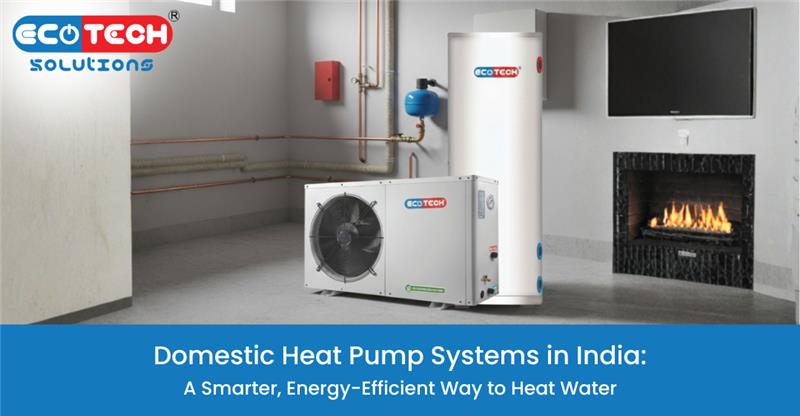
India’s energy landscape is changing rapidly. Rising electricity costs, growing environmental awareness, and increasing demand for sustainable technologies are pushing homeowners and businesses to rethink how they consume energy. One area where this shift is clearly visible is water heating. Traditional systems such as electric geysers, gas heaters, and boilers consume excessive power, require frequent maintenance, and contribute significantly to carbon emissions.
In this evolving scenario, the heat pump has emerged as a highly efficient, reliable, and future-ready solution. Instead of generating heat by consuming large amounts of electricity or fuel, a heat pump intelligently transfers heat from the surrounding air to water. This simple yet powerful concept makes heat pumps one of the most energy-efficient heating technologies available today.
With increasing adoption across residential and commercial sectors, heat pump India solutions are becoming a cornerstone of modern, sustainable infrastructure.
What Is a Heat Pump?
A heat pump is an advanced heating system that uses ambient air as its primary energy source. Unlike conventional water heaters that rely on direct heating elements or fuel combustion, heat pumps work on the principle of heat transfer.
Rather than producing heat, the system captures existing heat from the air and upgrades it to a higher temperature suitable for water heating. This process allows heat pumps to deliver exceptional efficiency while consuming minimal electrical energy.
How Does a Heat Pump Work?
The operation of a heat pump is based on a closed-loop refrigeration cycle:
- Heat Absorption: The system draws in ambient air and extracts heat using a refrigerant.
- Compression: The refrigerant is compressed, raising its temperature significantly.
- Heat Transfer: The high-temperature heat is transferred to water stored in an insulated tank.
- Cycle Repeat: The refrigerant returns to its original state and the cycle continues.
Because the system moves heat instead of generating it, a heat pump can produce three to four units of heat energy for every unit of electricity consumed. This makes it far more efficient than traditional heating systems.
Why Heat Pumps Are Ideal for Indian Conditions
India’s climate makes it particularly well-suited for heat pump technology. Most regions experience moderate to warm temperatures for the majority of the year, which allows heat pumps to operate at peak efficiency.
Key Reasons Heat Pumps Work Well in India
- Sufficient ambient heat even during winter months
- Reduced reliance on electricity and fossil fuels
- Lower strain on power infrastructure
- Alignment with India’s renewable energy and energy-efficiency goals
As a result, heat pump India installations are growing steadily in homes, apartments, hotels, hospitals, and institutions.
Benefits of Domestic Heat Pumps
1. Outstanding Energy Efficiency
Domestic heat pumps can reduce electricity consumption by up to 60–70% compared to conventional electric geysers. This translates into substantial savings on monthly energy bills.
2. Lower Operating and Lifecycle Costs
Although the initial investment may be higher, the long-term reduction in electricity costs ensures excellent return on investment over the system’s lifespan.
3. Environmentally Responsible Technology
By consuming less electricity and eliminating combustion, heat pumps significantly reduce greenhouse gas emissions and environmental impact.
4. Reliable Hot Water Supply
Heat pumps are designed to deliver consistent hot water even during peak usage, making them ideal for families and commercial operations.
5. Safe and Clean Operation
No gas, no flames, and no fuel storage—heat pumps are among the safest water heating solutions available today.
6. Long Service Life
With fewer mechanical stresses and robust components, heat pumps typically last longer than conventional heating systems.
Applications of Domestic Heat Pumps
Domestic heat pumps are versatile and suitable for a wide range of Indian applications:
- Independent homes and villas
- Residential apartment complexes
- Hotels and resorts
- Hospitals and healthcare facilities
- Hostels and educational institutions
- Commercial kitchens and laundries
As experienced heat pump manufacturers in India, ET Solutions designs systems that can be customized to meet specific capacity, usage, and installation requirements.
Heat Pump vs Traditional Water Heating Systems
| Feature | Heat Pump | Electric Geyser | Boiler |
| Energy Efficiency | Very High | Low | Moderate |
| Electricity Consumption | Low | High | Very High |
| Operating Cost | Low | High | High |
| Environmental Impact | Minimal | High | High |
| Safety | Excellent | Moderate | Lower |
| Lifespan | Long | Short | Moderate |
This comparison clearly explains why heat pumps are increasingly replacing traditional water heating systems across India.
Why Choose ET Solutions for Heat Pump Systems
ET Solutions is committed to delivering high-performance heating solutions that combine advanced engineering with practical, real-world reliability. Each heat pump system is designed with Indian operating conditions, energy patterns, and customer expectations in mind.
What Sets ET Solutions Apart
- Energy-efficient designs optimized for Indian climates
- High-quality components for durability and long life
- Scalable systems for residential and commercial use
- Professional installation and dependable after-sales support
- Focus on sustainability and long-term cost savings
As one of the trusted heat pump manufacturers in India, ET Solutions ensures that every system delivers consistent performance and real value.
Supporting India’s Sustainable Energy Future
India is steadily moving toward cleaner and more efficient energy solutions. Heat pumps play a crucial role in this transition by reducing electricity demand, lowering carbon emissions, and complementing renewable energy systems such as solar power.
Heat pumps can also be integrated with solar installations, further reducing operational costs and dependence on grid electricity. This makes them a future-ready solution for both residential and commercial users.
Long-Term Value and Investment Perspective
A domestic heat pump is not just an appliance—it is a long-term investment. Over time, reduced energy bills, minimal maintenance requirements, and extended lifespan ensure that heat pumps deliver superior value compared to traditional heating systems.
For homeowners, this means predictable operating costs and peace of mind. For businesses, it means lower overheads, improved sustainability credentials, and compliance with evolving energy regulations.
Final Thoughts
As India continues to prioritize energy efficiency and environmental responsibility, heat pump technology stands out as a practical, reliable, and sustainable solution for water heating. Whether for homes, apartments, hotels, or institutions, heat pumps offer unmatched advantages in terms of efficiency, safety, and long-term savings.
With a strong focus on engineering excellence and customer needs, ET Solutions continues to strengthen its position among reliable heat pump manufacturers in India, delivering systems that meet today’s demands while preparing for tomorrow’s challenges.
Frequently Asked Questions (FAQs)
A heat pump is used to heat water by extracting heat from ambient air, offering an energy-efficient alternative to electric or fuel-based heaters.
Yes, heat pumps perform very efficiently in Indian climatic conditions due to the availability of ambient heat throughout the year.
Heat pumps consume significantly less electricity—up to 60–70% less than conventional water heaters.
Yes, domestic heat pumps can fully replace electric geysers while providing more consistent hot water at lower operating costs.
Heat pumps are extremely safe as they do not involve combustion, gas storage, or open flames.
Heat pumps require minimal maintenance, mainly periodic inspection and basic servicing.
With proper installation and maintenance, a heat pump can last 10–15 years or more.
ET Solutions is among the reliable heat pump manufacturers in India, offering efficient systems designed for Indian conditions.
Contact Us: EcoTech Solutions