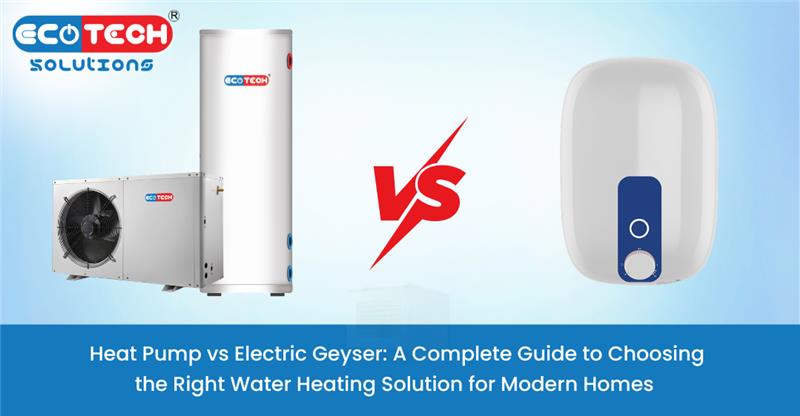
Hot water plays a quiet but essential role in our daily comfort. From morning showers to kitchen cleaning and laundry routines, we depend on reliable hot water throughout the year. For decades, electric geysers have been the standard solution in Indian homes. But today, rising electricity costs and increasing awareness about energy-efficient living are encouraging homeowners to explore smarter alternatives like the Heat Pump Water Heater.
If you are planning to upgrade your water heating system, comparing a traditional geyser with a Heat Pump can help you make a confident and future-ready decision. This guide explains the working principles, performance differences, long-term savings potential, and practical advantages that define modern residential water heating systems.
Understanding How a Heat Pump Water Heater Works
A Heat Pump Water Heater works differently from conventional electric heating systems. Instead of generating heat directly using electricity, it transfers heat from the surrounding air into the water storage tank.
This process uses a refrigeration cycle that includes:
• Evaporator
• Compressor
• Condenser
• Expansion valve
By capturing naturally available ambient heat energy and redirecting it into water, the system reduces electricity usage dramatically. This energy-transfer approach is what makes the Heat Pump one of the most efficient residential water heating technologies available today.
Unlike traditional systems that rely entirely on electric resistance heating, heat pumps multiply the usable heat output per unit of electricity consumed.
How an Electric Geyser Heats Water
An electric geyser operates using a resistance heating element placed inside a water storage tank. When electricity flows through this element, it converts electrical energy directly into heat energy.
Although this technology is simple and widely used, it has two limitations:
• High electricity consumption
• Heat loss during storage
Over time, these factors increase operating costs significantly for households that depend on daily hot water usage.
Why Indian Homes Are Moving Toward Energy-Efficient Heating Solutions
Across India, electricity tariffs continue to increase year after year. At the same time, families are using more hot water than before due to changing lifestyles and improved sanitation awareness.
Modern households now expect:
Reliable hot water supply
Lower electricity bills
Safer appliances
Environmentally responsible solutions
Long-lasting equipment
This shift in expectations is one of the major reasons homeowners are increasingly choosing Heat Pump Water Heater systems over conventional geysers.
Heat Pump vs Electric Geyser: Technology Comparison Explained Simply
The biggest difference between these systems lies in how they produce heat.
Electric geysers generate heat directly using electricity.
Heat pumps transfer existing heat from surrounding air.
Because transferring heat requires less energy than generating it, a Heat Pump delivers the same output with significantly lower power consumption.
This single difference creates multiple long-term advantages for homeowners.
Major Heat Pump Benefits for Residential Users
Switching to a Heat Pump Water Heater is not just a technical upgrade—it is a lifestyle improvement that reduces expenses and improves sustainability.
1. Significant Reduction in Electricity Consumption
One of the most important Heat Pump Benefits is energy savings. Compared to traditional electric geysers, heat pumps can reduce electricity usage by up to 70–75%.
For families using hot water daily, this difference becomes noticeable within the first few months after installation.
Lower energy usage also means reduced dependence on high electrical load connections.
2. Long-Term Financial Savings for Homeowners
While electric geysers are affordable at the time of purchase, their operating cost remains high throughout their life cycle.
A Heat Pump Water Heater offers better financial value because:
It consumes less electricity
Requires less maintenance
Lasts longer
Provides consistent performance
Over several years, these advantages make heat pumps more economical than conventional heating systems.
3. Safe and Reliable Operation for Families
Safety is an important concern when selecting water heating equipment for residential use.
Unlike electric geysers, heat pumps operate without exposed heating elements inside the water tank. This reduces risks associated with overheating and electrical hazards.
Families with children and elderly members often prefer Heat Pump systems because of their stable and controlled operation.
4. Environmentally Responsible Heating Technology
Modern homeowners are becoming more aware of their environmental footprint. Since heat pumps use ambient air energy, they reduce carbon emissions compared to resistance-based water heaters.
Choosing a Heat Pump Water Heater supports sustainable living without compromising comfort.
This makes them an excellent solution for eco-conscious households and green building projects.
5. Consistent Hot Water Supply for Multiple Applications
Electric geysers often struggle when multiple bathrooms or appliances require hot water simultaneously.
A properly sized Heat Pump system can support:
Bathroom usage
Kitchen cleaning
Laundry requirements
Guest room usage
This makes heat pumps ideal for medium and large households.
Installation Requirements: What Homeowners Should Know
Electric geysers are typically wall-mounted units installed inside bathrooms. They require heavy wiring and higher electrical load connections.
A Heat Pump Water Heater, on the other hand, is usually installed in a ventilated outdoor area such as:
Terraces
Utility spaces
Service balconies
Rooftops
Although installation planning is slightly different, professional installation ensures optimal performance and long-term reliability.
Performance Comparison in Real Household Conditions
Daily residential water heating needs vary depending on family size and lifestyle habits. However, the difference between a geyser and a Heat Pump becomes clear when measured over time.
Electric geysers:
Consume more electricity
Provide limited storage capacity
Require repeated heating cycles
Heat pumps:
Deliver efficient heating
Maintain stable temperature
Support higher usage demand
Reduce operating costs
Because of these advantages, many homeowners now consider heat pumps a future-ready replacement for traditional geysers.
Maintenance Comparison Between Heat Pumps and Electric Geysers
Maintenance requirements also play an important role when selecting a water heating solution.
Electric geysers may require:
Heating element replacement
Internal tank servicing
Scale removal
Regular inspection
A Heat Pump Water Heater generally requires minimal maintenance because it uses advanced heat transfer technology instead of direct resistance heating.
Lower maintenance requirements translate into lower service expenses over time.
Understanding the Return on Investment Advantage
Many homeowners initially compare only the purchase price of water heaters. However, evaluating operating cost provides a more accurate comparison.
Although the upfront investment in a Heat Pump may be higher than an electric geyser, the electricity savings recover the difference within a few years.
After this recovery period, homeowners continue saving money throughout the remaining lifespan of the system.
This makes heat pumps a smart long-term investment rather than just a household appliance purchase.
Why Builders and Architects Recommend Heat Pump Water Heaters Today
Residential construction trends are changing rapidly across India. Builders now prioritize energy-efficient infrastructure that supports sustainable living.
Because of their performance advantages, Heat Pump Water Heater systems are increasingly recommended for:
Independent houses
Residential apartments
Luxury villas
Farmhouses
Guest accommodations
These systems align well with green building standards and energy-efficient home planning strategies.
Choosing the Right Domestic Heat Pump for Your Home
Selecting the right system depends on several practical factors.
Homeowners should consider:
Number of family members
Daily hot water usage
Installation space availability
Climate conditions
Energy consumption goals
A correctly selected Heat Pump ensures maximum efficiency and reliable performance for many years.
The Domestic Heat Pump solution offered by ET Solutions is designed to meet modern residential heating needs with durability, efficiency, and safety in mind.
Final Comparison: Heat Pump vs Electric Geyser
Both systems serve the same purpose—but their performance outcomes differ significantly.
Electric geysers are suitable for short-term or low-usage needs.
However, a Heat Pump Water Heater offers:
Lower electricity consumption
Longer operational lifespan
Higher safety standards
Environment-friendly heating
Better return on investment
Reliable hot water supply
For homeowners planning a smart upgrade, choosing a Heat Pump represents a future-ready decision aligned with energy efficiency and sustainable living goals.
Frequently Asked Questions (FAQs)
Yes. Modern Heat Pump Water Heater systems are designed to operate efficiently across a wide range of Indian climate conditions, including warm and moderate environments.
One of the biggest Heat Pump Benefits is energy efficiency. Heat pumps can reduce electricity consumption by up to 70–75% compared to conventional geysers.
No. A Heat Pump generally requires less maintenance than electric geysers because it uses advanced heat transfer technology instead of direct resistance heating elements.
Installation is simple when handled by professionals. The system typically requires an outdoor or ventilated location such as a terrace or service area.
Yes. A properly sized Heat Pump Water Heater can support multiple bathrooms and household hot water requirements efficiently.
Yes. Heat pumps operate with controlled heating mechanisms and reduce risks associated with overheating and electrical hazards.
A high-quality Heat Pump system can last more than 12–15 years with proper installation and routine servicing.
Contact Us: EcoTech Solutions