

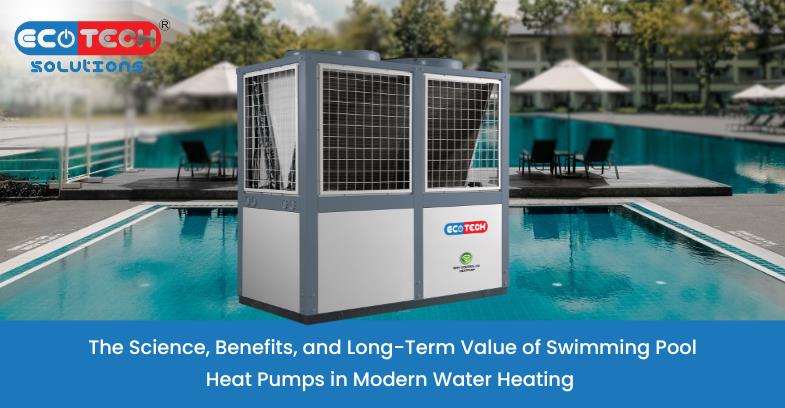
Swimming pools are no longer considered seasonal luxuries. In residential homes, wellness facilities, hotels, and sports centers, pools are expected to remain comfortable and usable throughout the year. Achieving this consistency requires more than basic equipment—it requires a reliable, energy-efficient water heater specifically designed for pool environments.
Modern Swimming pool heat pump technology has transformed how pool water is heated, offering a balance between comfort, sustainability, and long-term cost control. As energy efficiency becomes a global priority, heat pump–based Swimming pool heating systems are quickly becoming the preferred solution for both residential and commercial pools.
Why Traditional Pool Water Heating Methods Fall Short
Conventional pool heating solutions often rely on electric resistance heaters or fuel-based systems. While these methods can raise water temperature quickly, they come with notable drawbacks:
- High energy consumption
- Rising operational costs
- Inconsistent temperature control
- Increased environmental impact
- Shorter equipment lifespan
A standard water heater not designed specifically for pool use may struggle to handle large water volumes efficiently. This inefficiency leads to heat loss, frequent cycling, and unnecessary energy waste.
The Evolution of Swimming Pool Heating Systems
The shift toward Swimming pool heat pump technology reflects a broader evolution in water heating solutions. Instead of producing heat directly, heat pumps transfer existing heat from the surrounding air into the pool water. This fundamental change dramatically improves efficiency.
A modern Swimming pool heating system uses advanced compressors, eco-friendly refrigerants, and intelligent control systems to deliver reliable heating with significantly reduced power consumption.
How a Swimming Pool Heat Pump Works in Real-World Conditions
A Swimming pool heat pump operates using a thermodynamic cycle that maximizes heat recovery:
- Air Energy Collection
The system draws in ambient air, even in cooler temperatures. - Thermal Energy Conversion
The refrigerant absorbs heat from the air and transitions into a gas. - Heat Amplification
A compressor increases the temperature of the absorbed heat. - Heat Exchange Process
The heat is transferred to pool water through a titanium or corrosion-resistant exchanger. - Continuous Regulation
Smart controls maintain consistent water temperature with minimal fluctuation.
This process allows the water heater to deliver several units of heat for every unit of electricity consumed, making it one of the most efficient heating methods available.
Energy Efficiency and Sustainability Benefits
Reduced Power Consumption
A Swimming pool heat pump can achieve efficiency ratios far superior to traditional heaters. This efficiency translates directly into lower monthly energy costs.
Environmentally Responsible Operation
By using renewable air energy, a Swimming pool heating system significantly reduces greenhouse gas emissions compared to fuel-based alternatives.
Lower Carbon Footprint
Sustainable water heating supports eco-conscious property management and aligns with global energy-efficiency standards.
Comfort, Consistency, and User Experience
Maintaining a stable water temperature enhances more than comfort—it improves safety and usability. Consistent heating:
- Reduces muscle stiffness and injury risk
- Encourages longer swim sessions
- Supports therapeutic and rehabilitation use
- Improves overall pool circulation efficiency
A dependable water heater ensures that water temperature remains steady regardless of external weather changes.
Applications Across Residential and Commercial Environments
A modern Swimming pool heating system is suitable for a wide range of settings, including:
- Residential backyard pools
- Hotels and luxury resorts
- Wellness and spa facilities
- Fitness clubs and training pools
- Educational and recreational aquatic centers
In commercial settings, a reliable Swimming pool heat pump ensures uninterrupted service, guest satisfaction, and operational efficiency.
Selecting the Right Swimming Pool Heating System
Choosing the correct Swimming pool heating system involves evaluating several critical factors:
- Pool volume and surface area
- Local climate and average temperatures
- Expected usage patterns
- Energy efficiency ratings
- Installation environment and airflow availability
Proper system sizing ensures that the water heater operates efficiently without overloading or underperforming.
Installation Considerations That Impact Performance
Correct installation is essential for maximizing the effectiveness of a Swimming pool heat pump. Important considerations include:
- Adequate ventilation for airflow
- Proper plumbing integration
- Electrical compatibility and safety
- Strategic placement to reduce heat loss
Professional installation ensures long-term efficiency and system reliability.
Maintenance and Long-Term Reliability
One of the advantages of a Swimming pool heating system is its relatively low maintenance requirements. Best practices include:
- Keeping air intakes clear of debris
- Cleaning filters regularly
- Monitoring water chemistry
- Scheduling periodic professional inspections
With consistent care, a high-quality water heater can provide dependable service for over a decade.
Smart Controls and Future-Ready Heating Technology
Modern Swimming pool heat pumps often include intelligent controls that allow users to:
- Set precise temperature targets
- Monitor energy usage
- Automate heating schedules
- Integrate with smart building systems
These advancements improve efficiency while offering greater convenience and control.
The Growing Importance of Efficient Pool Water Heating
As energy costs continue to rise and sustainability standards become stricter, efficient Swimming pool heating systems are no longer optional. Heat pump technology represents a future-focused solution that aligns with environmental responsibility and economic practicality.
Frequently Asked Questions (FAQs)
A Swimming pool heat pump transfers heat from the air instead of generating it, allowing it to deliver higher efficiency with lower energy use.
Yes, modern systems are designed for consistent operation across multiple seasons, depending on climate conditions.
Absolutely. Properly sized systems can efficiently heat large volumes of water in commercial environments.
Heating time depends on pool size, climate, and starting temperature. Heat pumps provide steady, controlled heating rather than rapid temperature spikes.
While it uses electricity, the efficiency of a Swimming pool heat pump typically results in lower overall energy costs compared to traditional heaters.
With proper maintenance, a system can last 10–15 years or longer.
Final Insight
A modern water heater designed for pool applications is not just a utility—it is an investment in comfort, efficiency, and sustainability. By choosing an advanced Swimming pool heat pump, pool owners gain consistent water temperature, reduced operational costs, and a future-ready Swimming pool heating system that meets both performance and environmental expectations.
Contact Us: EcoTech Solutions